Stable, narrow-linewidth sources for integration and reproducibility
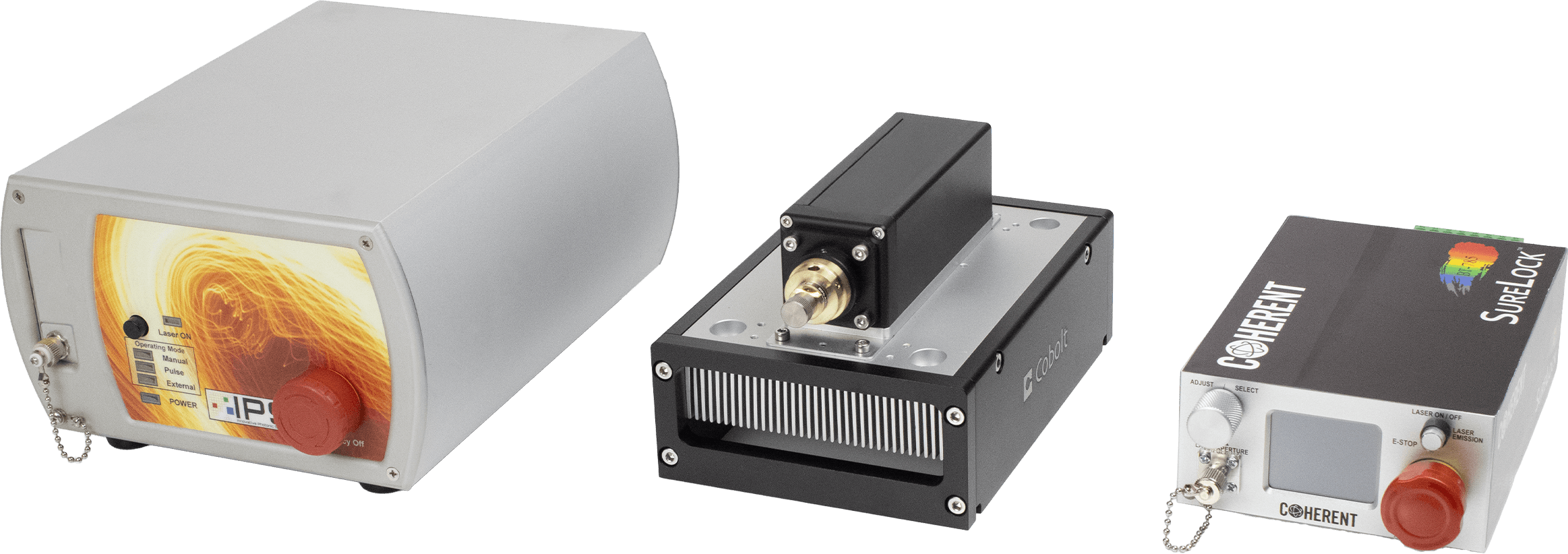
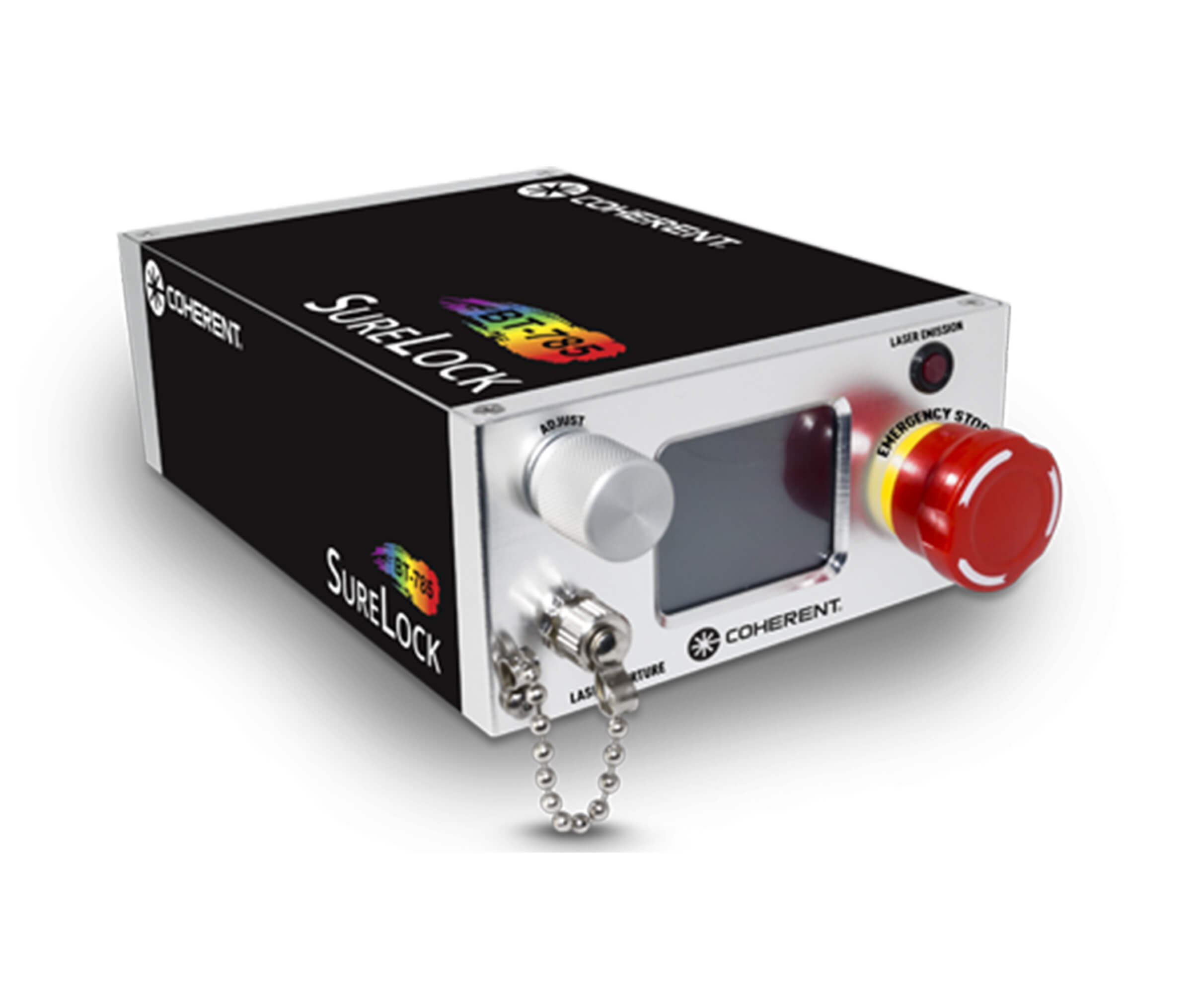
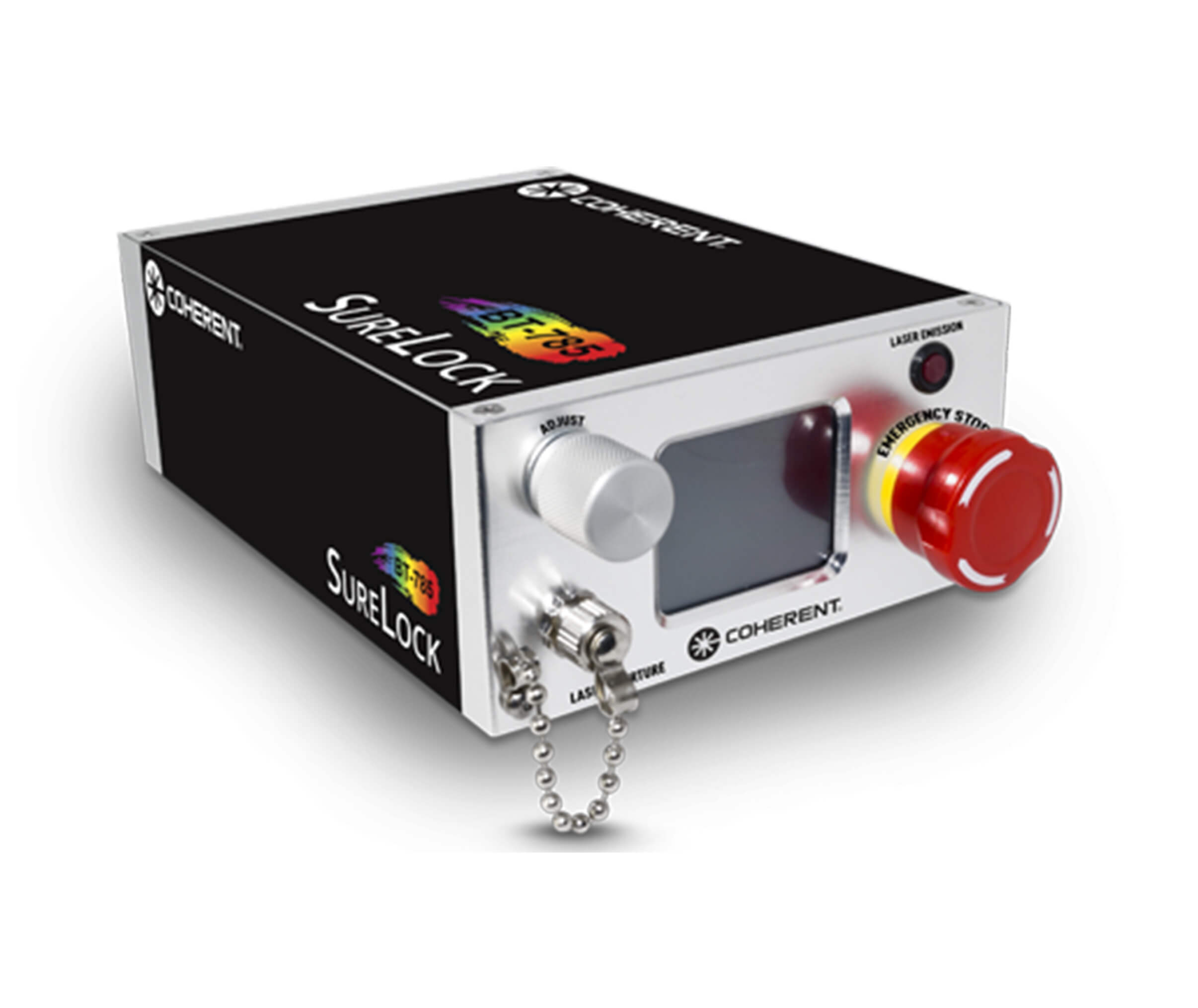
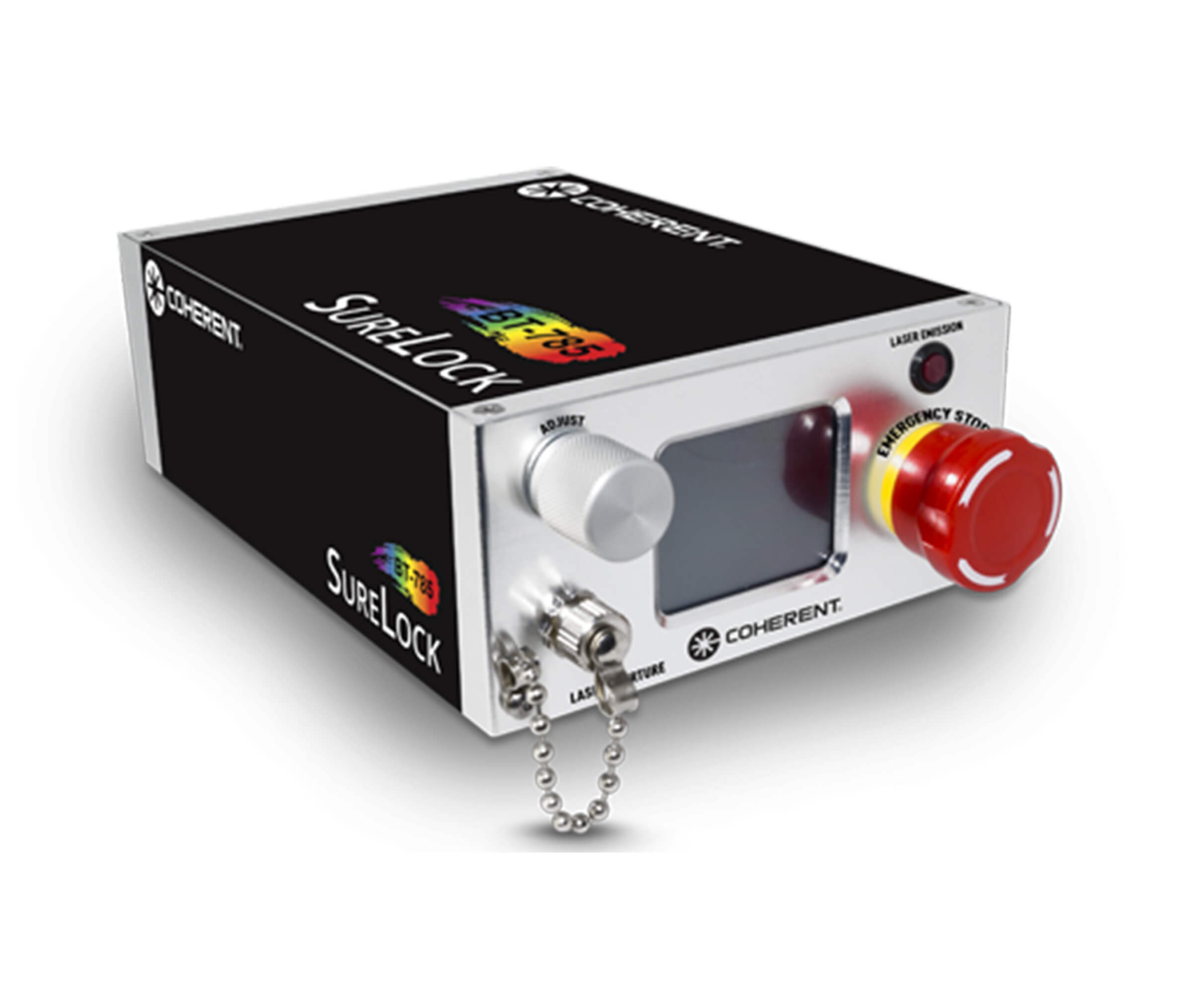
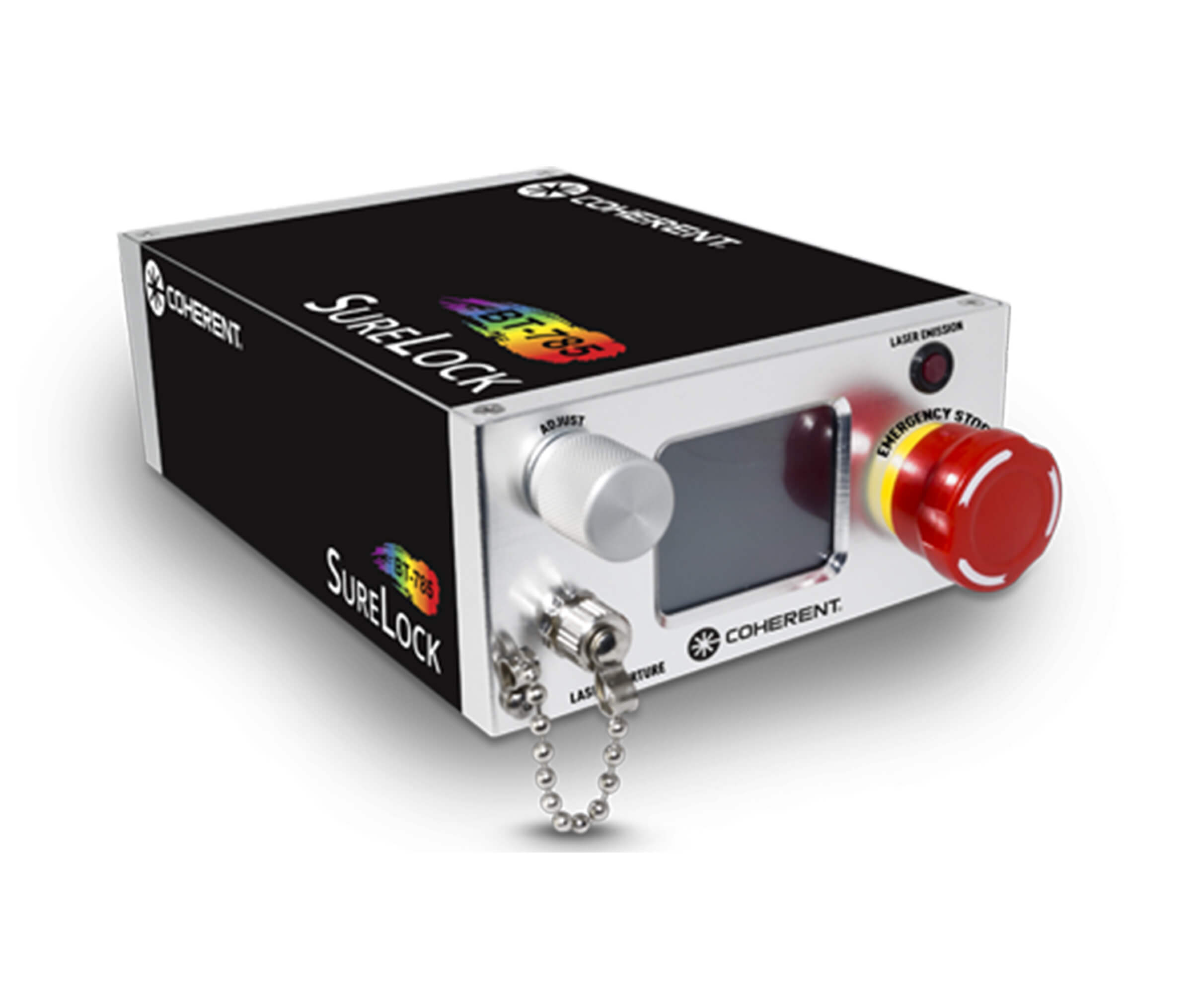
The laser excitation is where Raman spectroscopy begins. As Raman scattering is inherently weak, a laser’s high-power density is required to generate a measurable signal. At the same time, the laser linewidth must be sufficiently narrow to preserve the spectral resolution of the system. The variety of lasers in the marketplace is vast, but only a small subset is suitable for Raman spectroscopy. At Wasatch we offer standalone and integrated lasers:
Standalone (all wavelengths)
—
reliable laser partners
—
all wavelengths available
Integrated laser (not for 532 nm)
—
compact, convenient, cost savings
—
fiber-coupled or integrated probe option
Benchtop Lasers
WP Part Number
Max Laser Power
Dimensions & Weight
Output Connector
Manufacturer & Model
Notes
Product Image
532
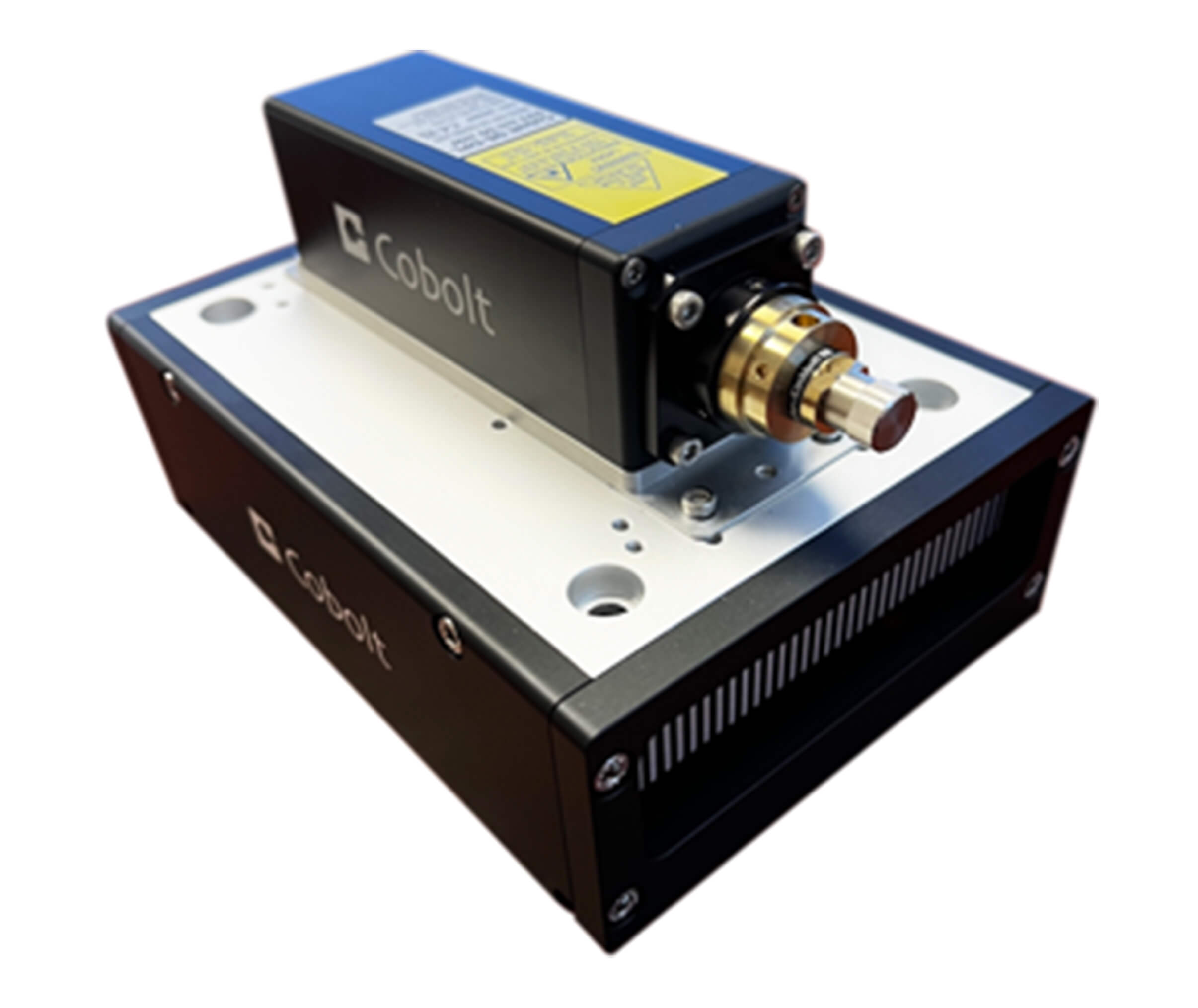
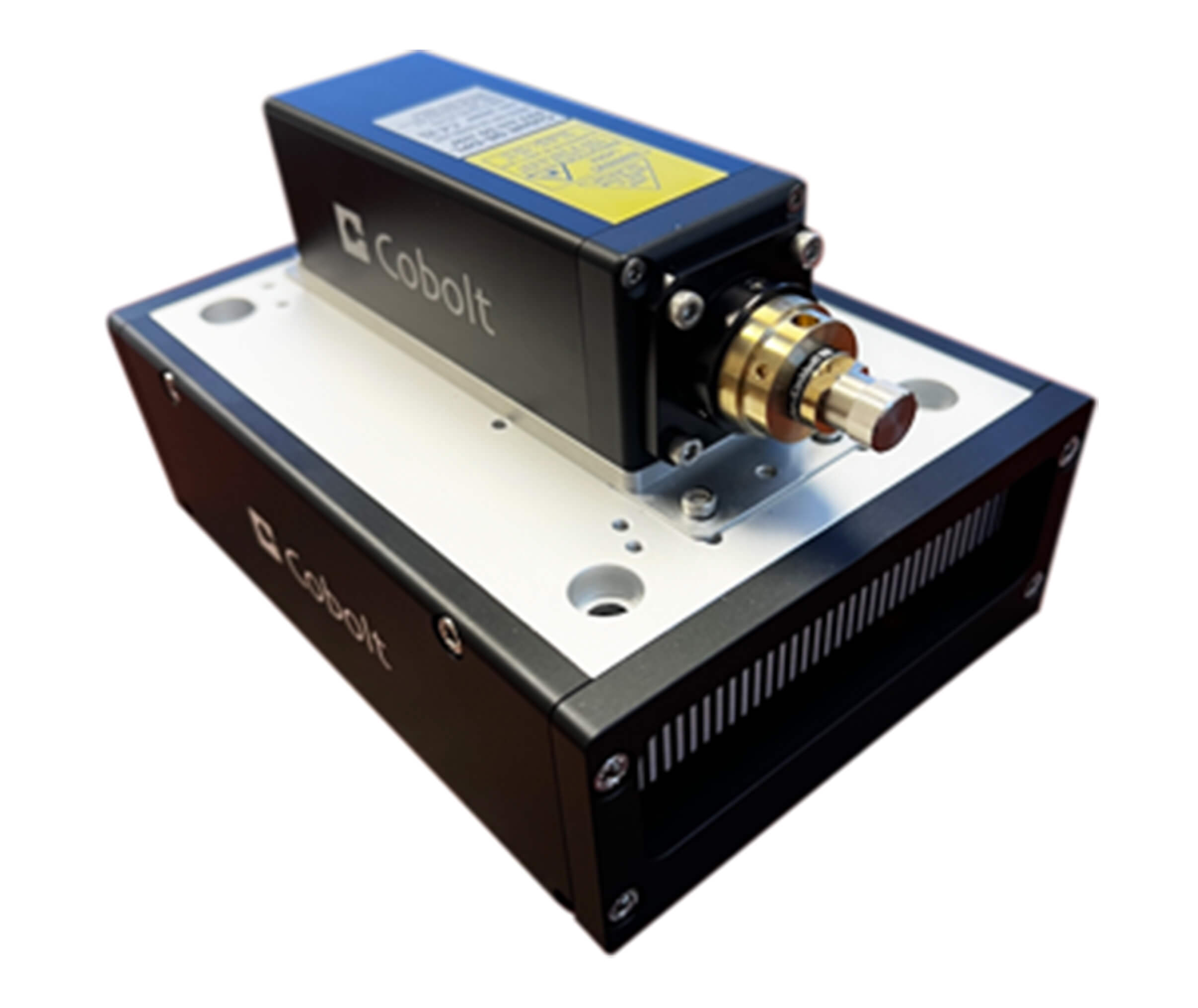
WP-532-SOL-50
50 mW
166 x 118 x 94 mm
1.45 kg (combined laser head + heat sink)
* Narrow key FC/PC 105 μm fiber to be quoted and provided by Wasatch Photonics with purchase of Cobolt 532 nm lasers.
Why Choose Wasatch?
What Sets Us Apart:
•
Tested, trusted Raman laser performance
•
FDA-approved laser safety compliance
•
Reliable signal, stability and resolution
•
Flexible separate or integrated laser system configurations, excluding 532 nm
•
Unified GUI/SDK software control for integrated lasers
•
Significant cost savings with integrated laser systems
Tested, FDA-compliant Raman lasers with stable, high-resolution performance with flexible, cost-efficient integration option.
Laser Characteristics
Key factors to consider when choosing a Raman laser
Mode Profile
The impact of the laser mode profile
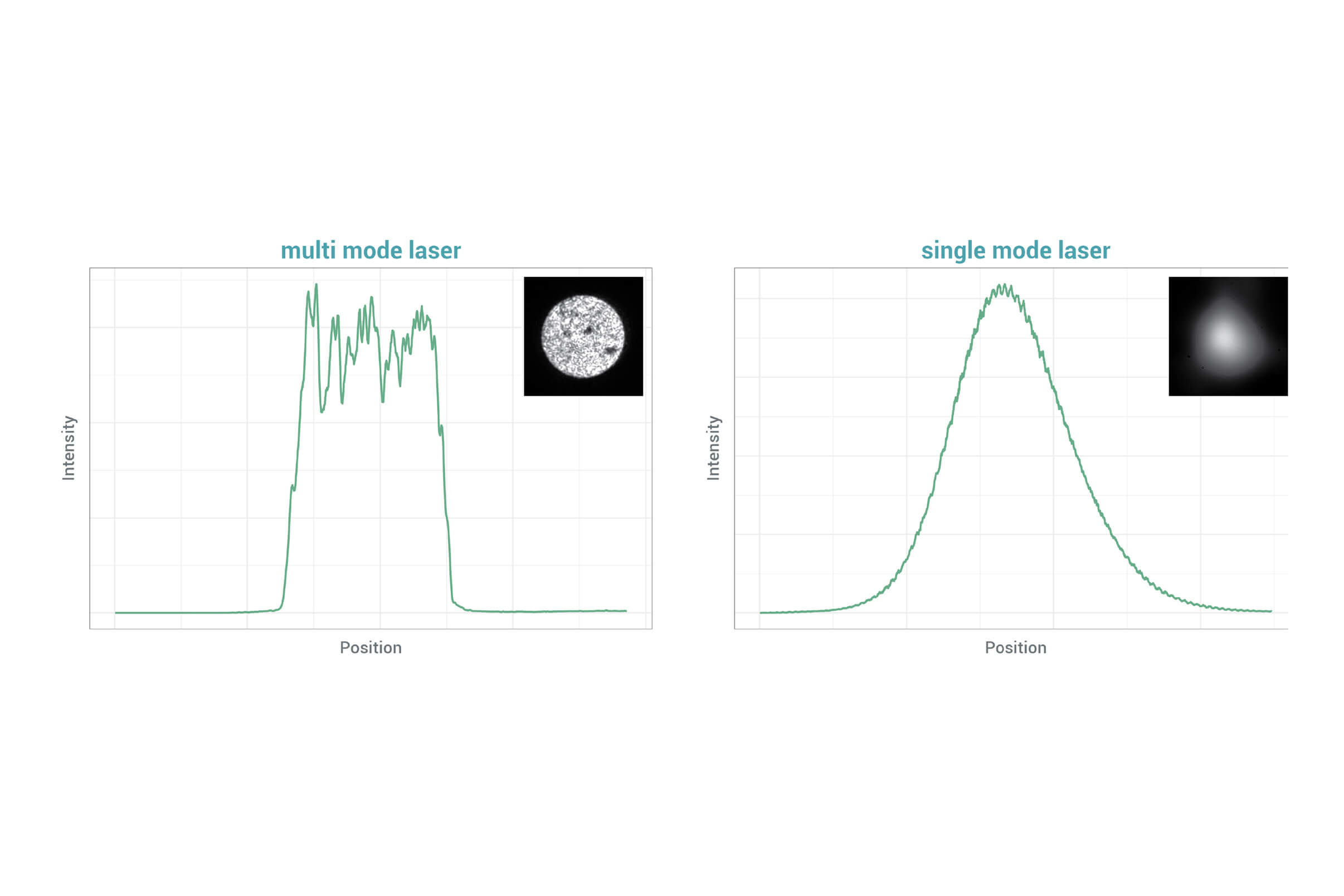
Lasers are distinguished by their transverse mode profile. Single-mode lasers exhibit a Gaussian TEM00 profile, enabling tight focusing and high spatial resolution. However, they are more sensitive to back-reflections and require single-mode fibers, which are more difficult to couple into. Multimode lasers, in contrast, provide a more uniform ‘top-hat’ intensity distribution, are less sensitive to feedback, support higher output power, and can be coupled into larger-core multimode fibers. The trade-off is reduced focusability.
Linewidth
The influence of laser linewidth on Raman
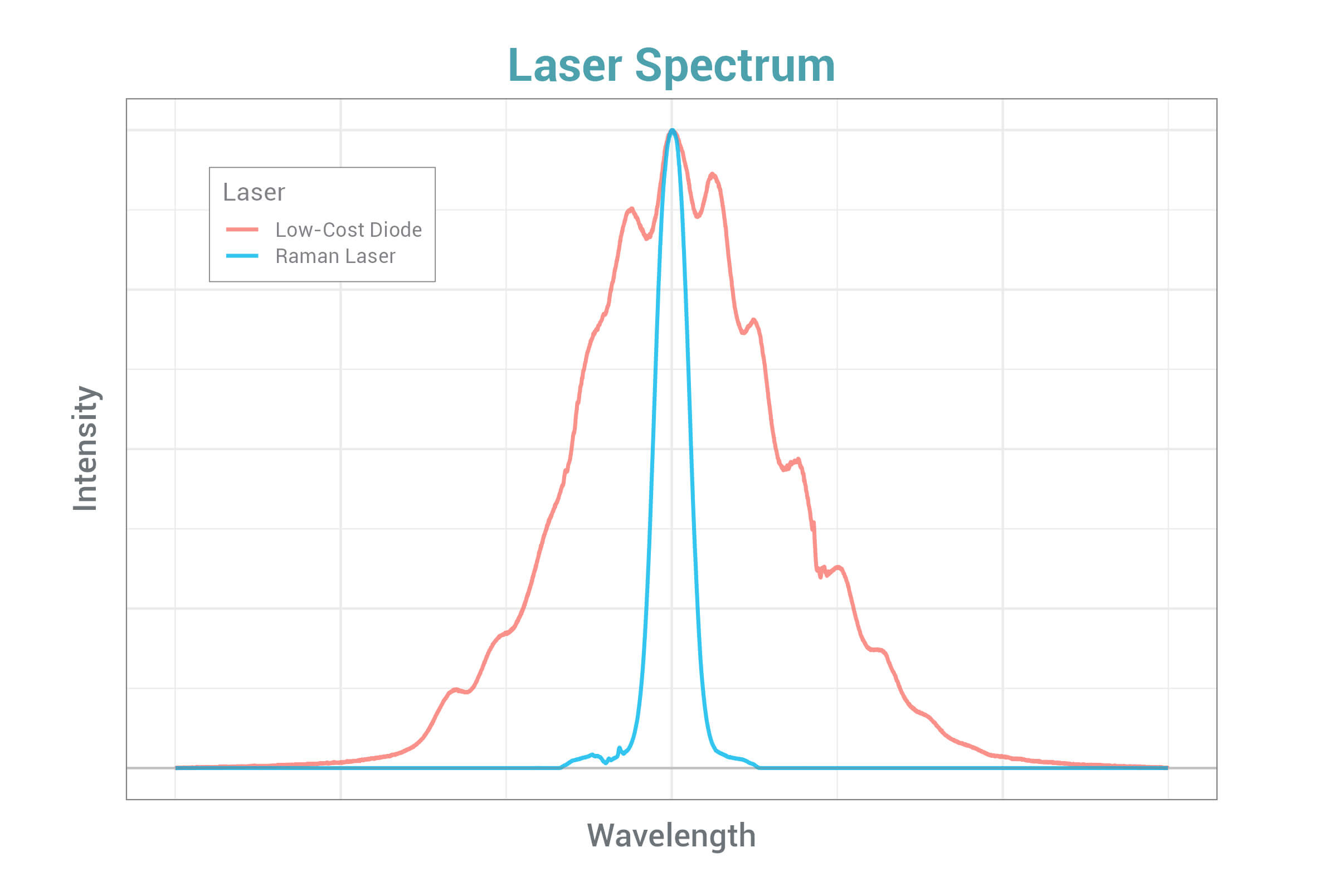
An often-overlooked parameter is the spectral linewidth of the laser. For Raman spectroscopy, the laser linewidth should be narrower than the spectrometer resolution. In practice, this requires linewidths below 0.1 nm. At 785 nm, this corresponds to approximately 1.6 cm-1, increasing to about 3.5 cm-1 at 532 nm. Low-cost diode lasers do not meet this requirement. Raman-grade diode lasers therefore incorporate additional spectral control structures, such as a Volume Bragg Grating (VBG) or Distributed Bragg Reflector (DBR) to achieve narrow linewidths.
Amplified Spontaneous Emission (ASE)
Avoiding ASE in Raman spectroscopy
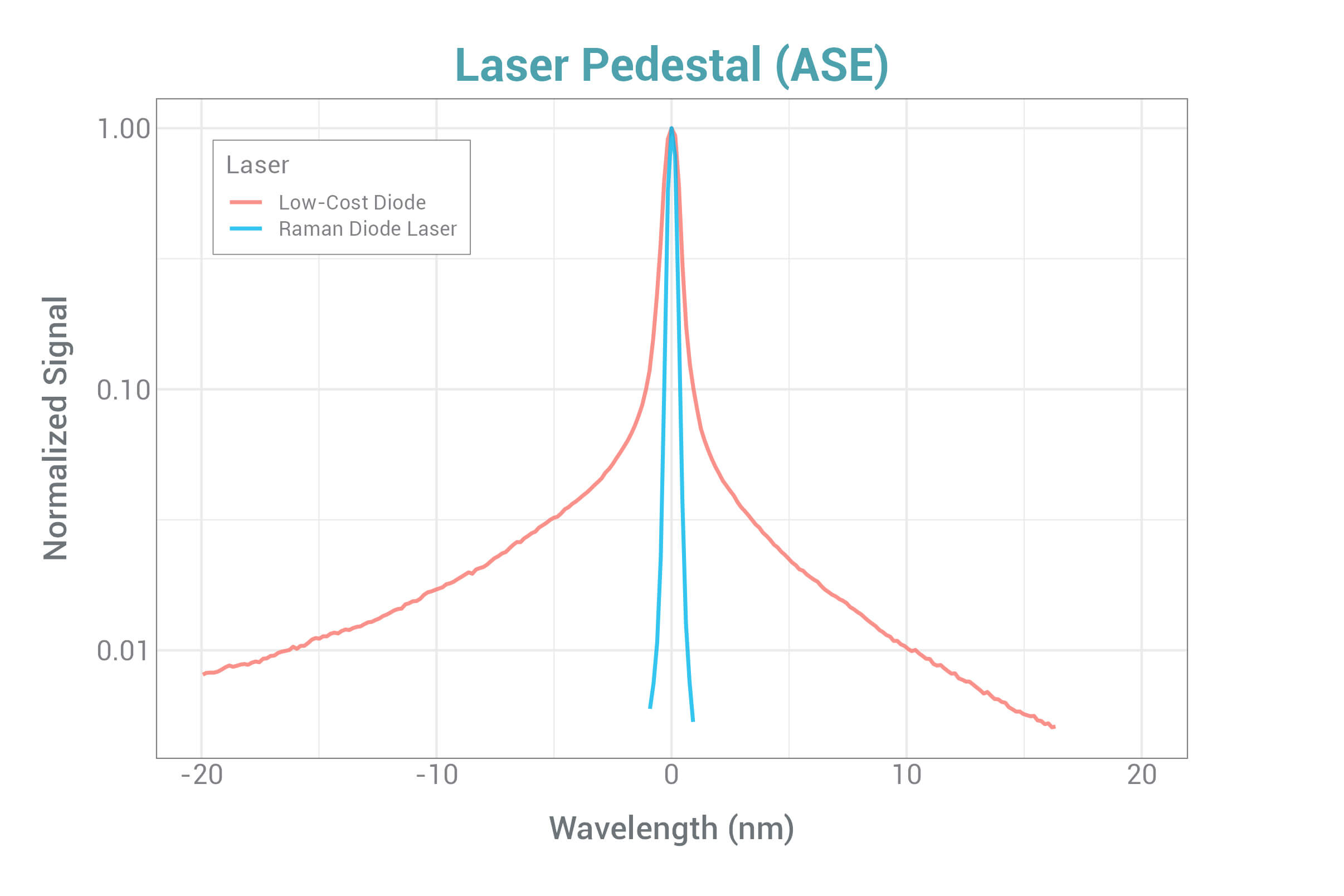
In addition to the desired narrow-band laser emission, however, a low-intensity broadband emission, the ASE (amplified spontaneous emission), is often observed. For Raman lasers, this emission is removed with cleanup filters integrated into the laser, as it would interfere with low-frequency Raman bands.
Misty Johnson is responsible for taking care of our grating customers at the Logan, Utah, facility. She has been a member of the Wasatch Photonics team since 2009. By understanding her customers’ needs and goals, as well as the current grating market, Misty is able to provide a superior level of customer support. As Account Manager, she acts as a liaison between customers and Wasatch Photonics’ manufacturing department making sure that the lines of communication are always open.
Customer support is an integral part of Wasatch Photonics commitment to customers. Whether you are in the market to purchase a single grating, inquiring as a distributor, or purchasing large volume, Misty will guide you seamlessly through the custom design process. Misty strives to build trust and strong long term relationships with Wasatch Photonics customers. She brings 20 years’ experience as customer support manager from a number of manufacturing and service companies.