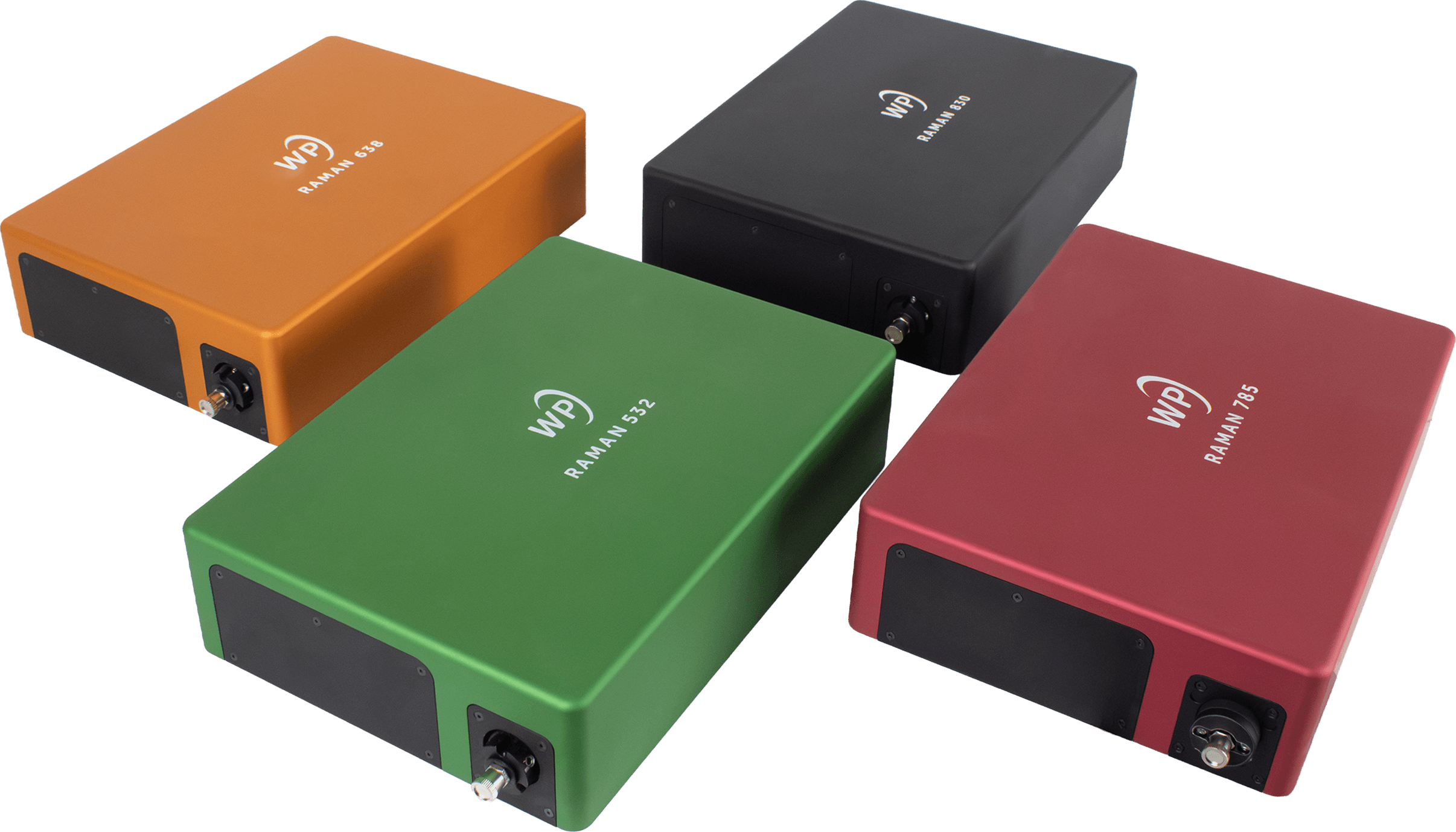
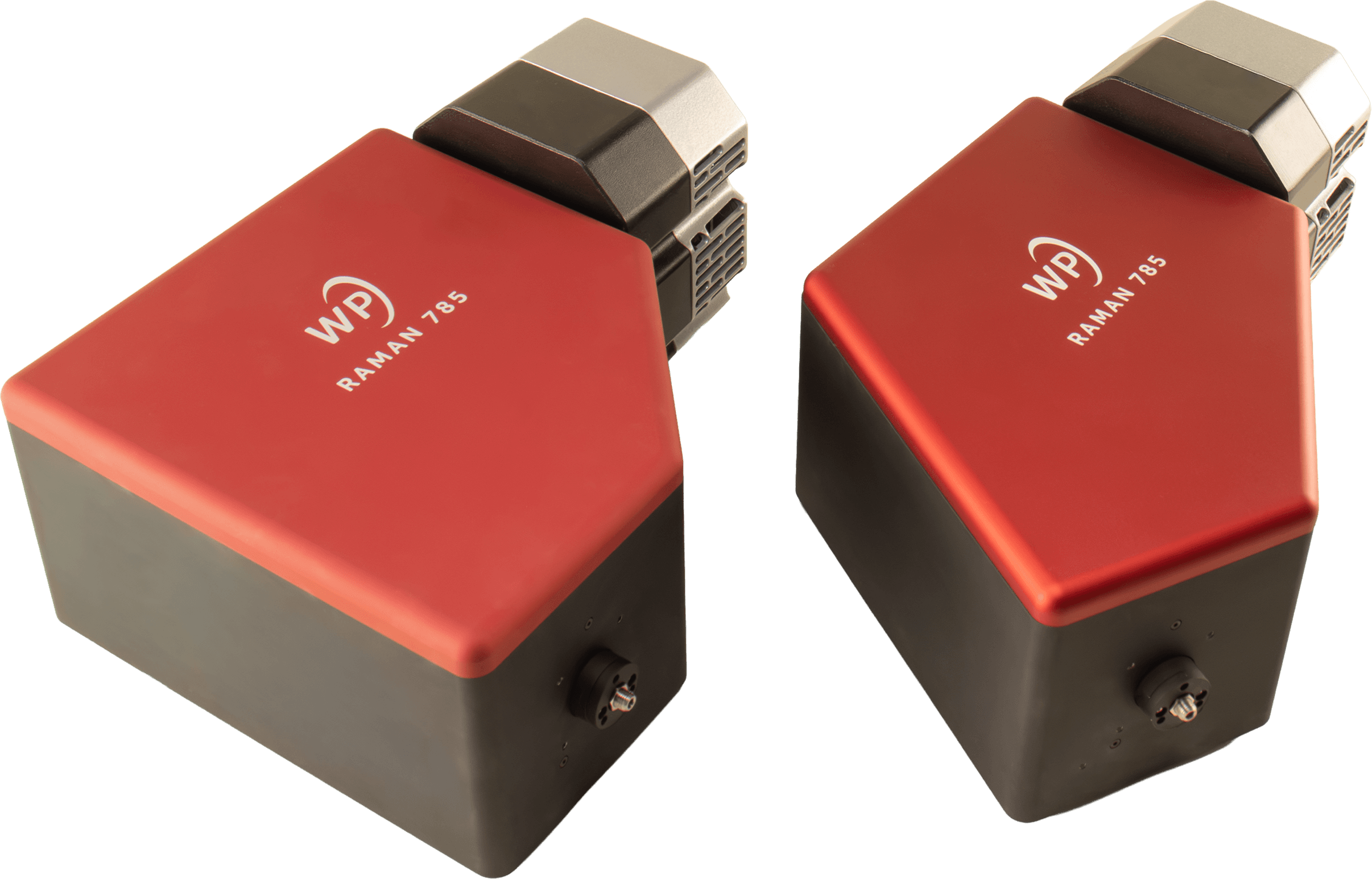
Trusted analysis of semiconductors and carbon nanomaterials
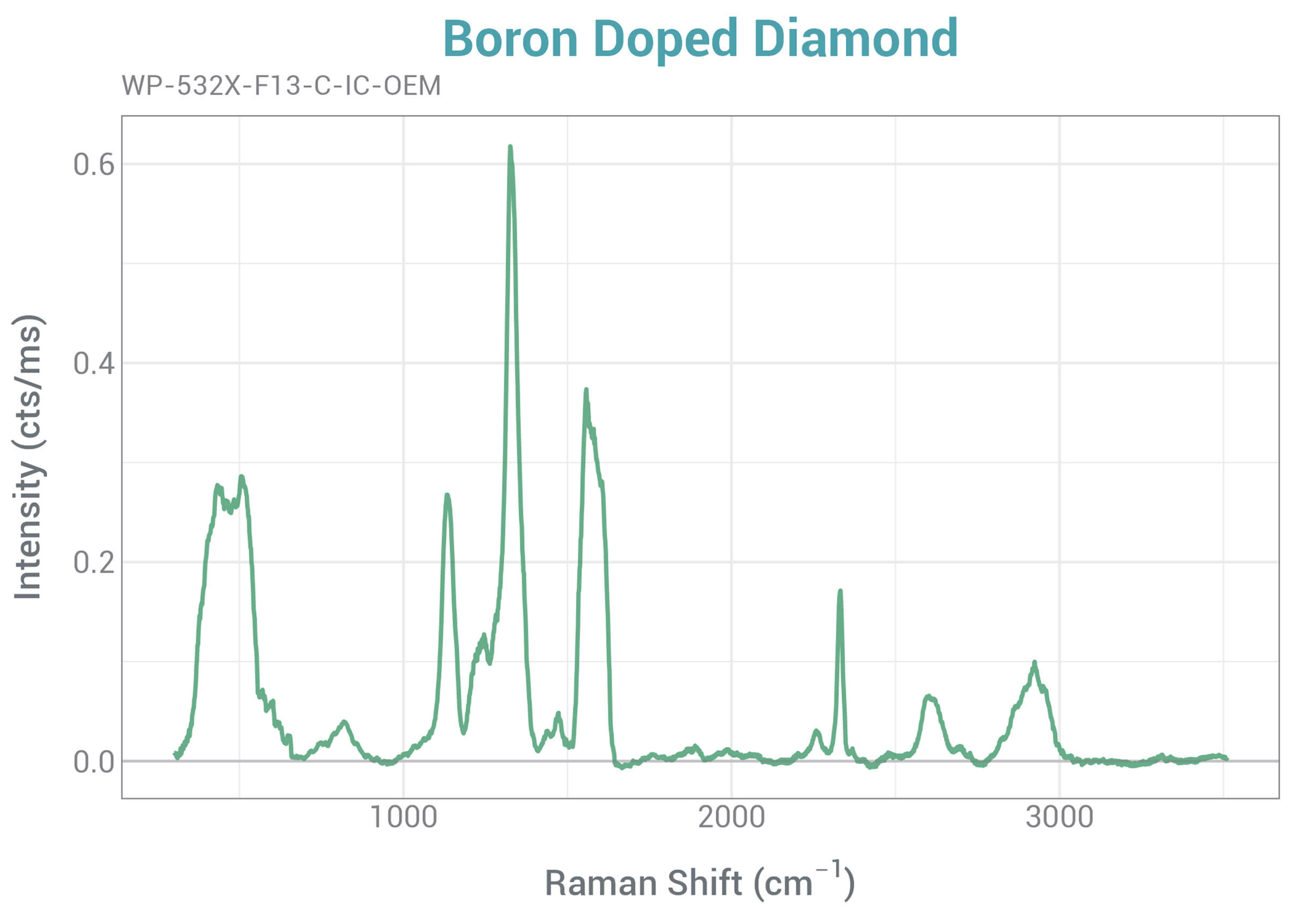
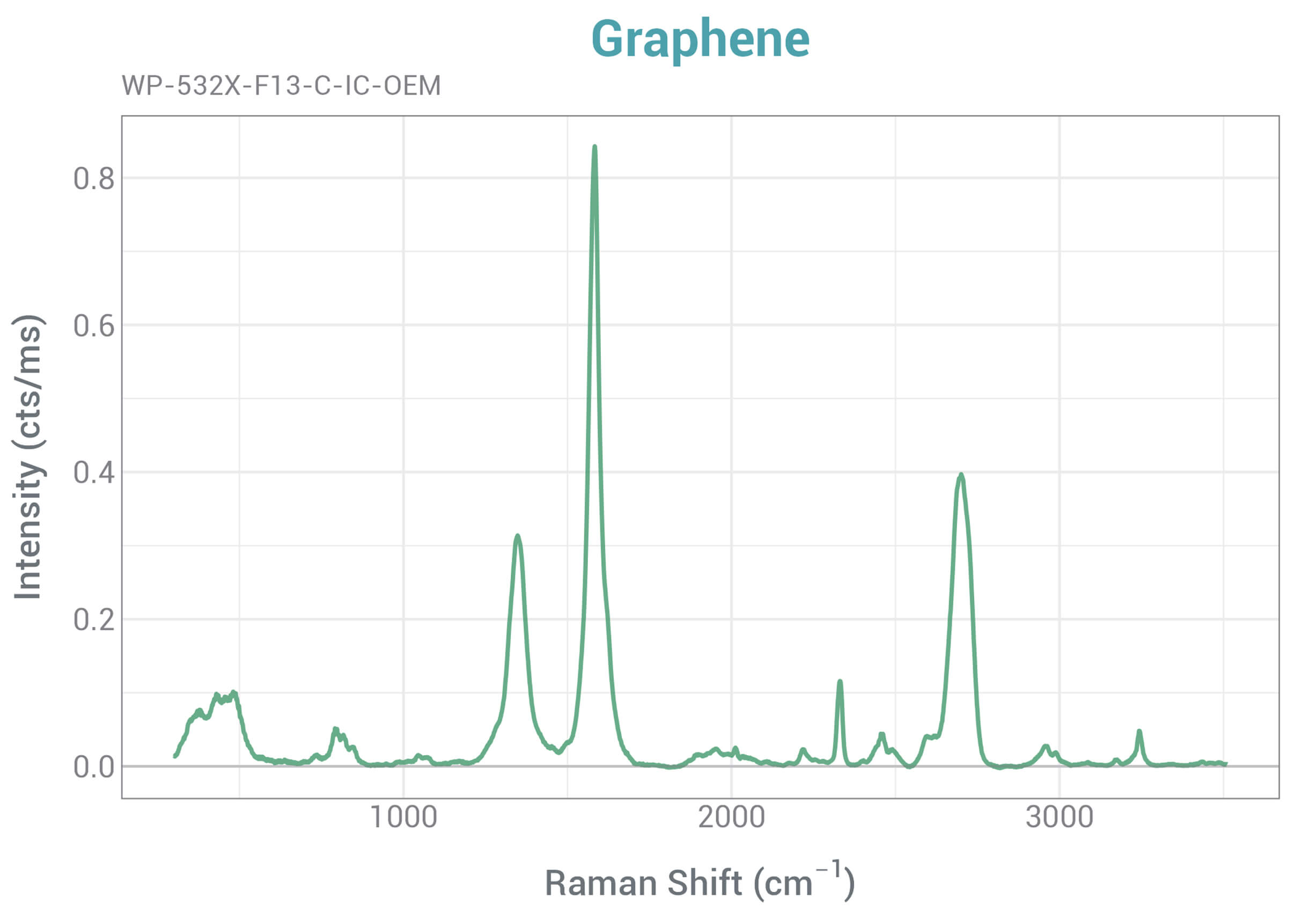
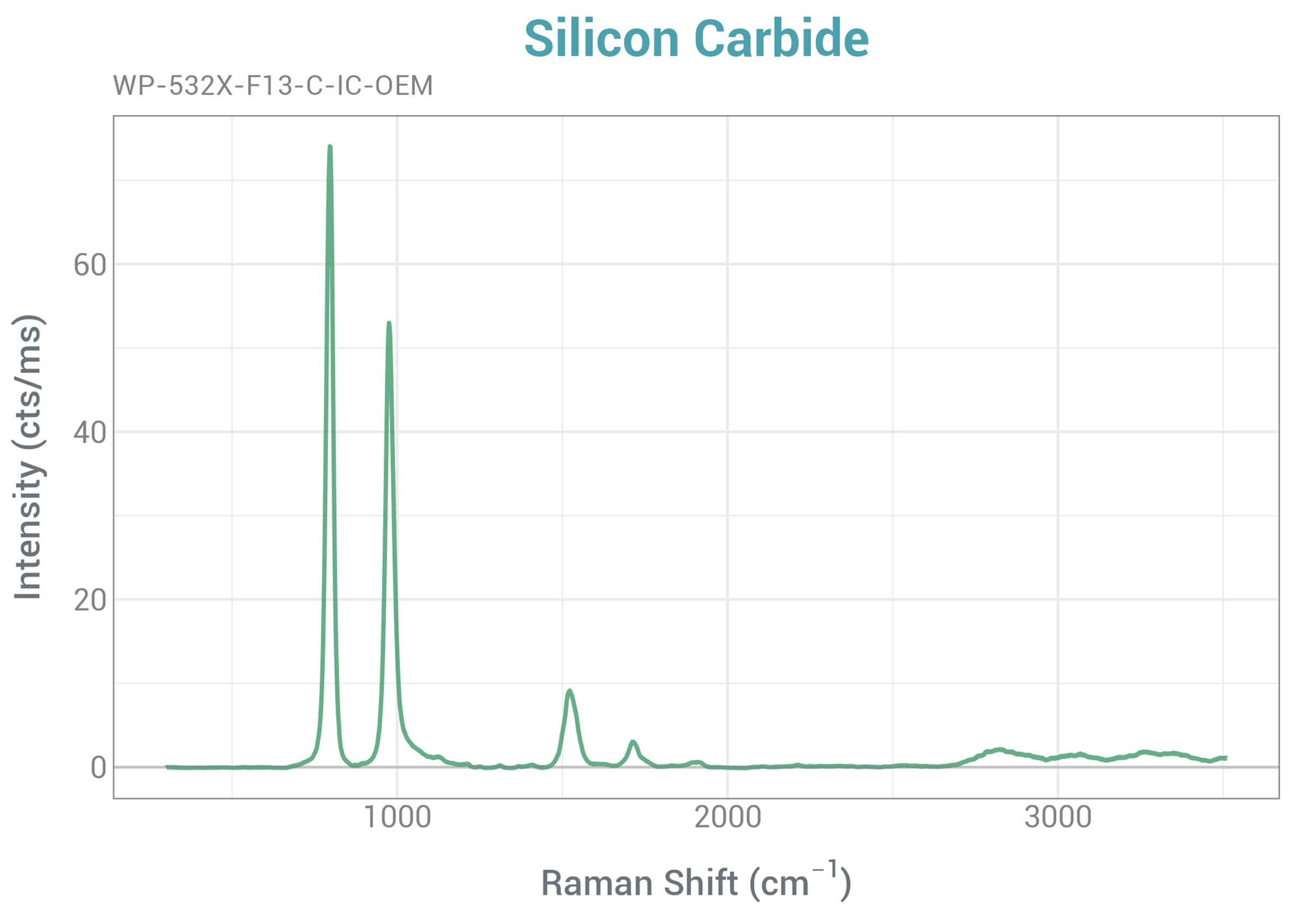
The molecular structure of advanced materials such as graphene, carbon nanotubes, and diamond-like carbon coatings is critical to their performance. Raman spectroscopy probes these structures, for example distinguishing single- and double-layer graphene through differences in the 2D band. Tetrahedral carbon introduces structural defects but also generates distinct Raman peaks. WP 532 nm Raman systems are commonly used for graphene, carbon nanotubes, and related materials, but impurities in technical samples can cause strong fluorescence, making effective fluorescence rejection essential for high-quality spectra.
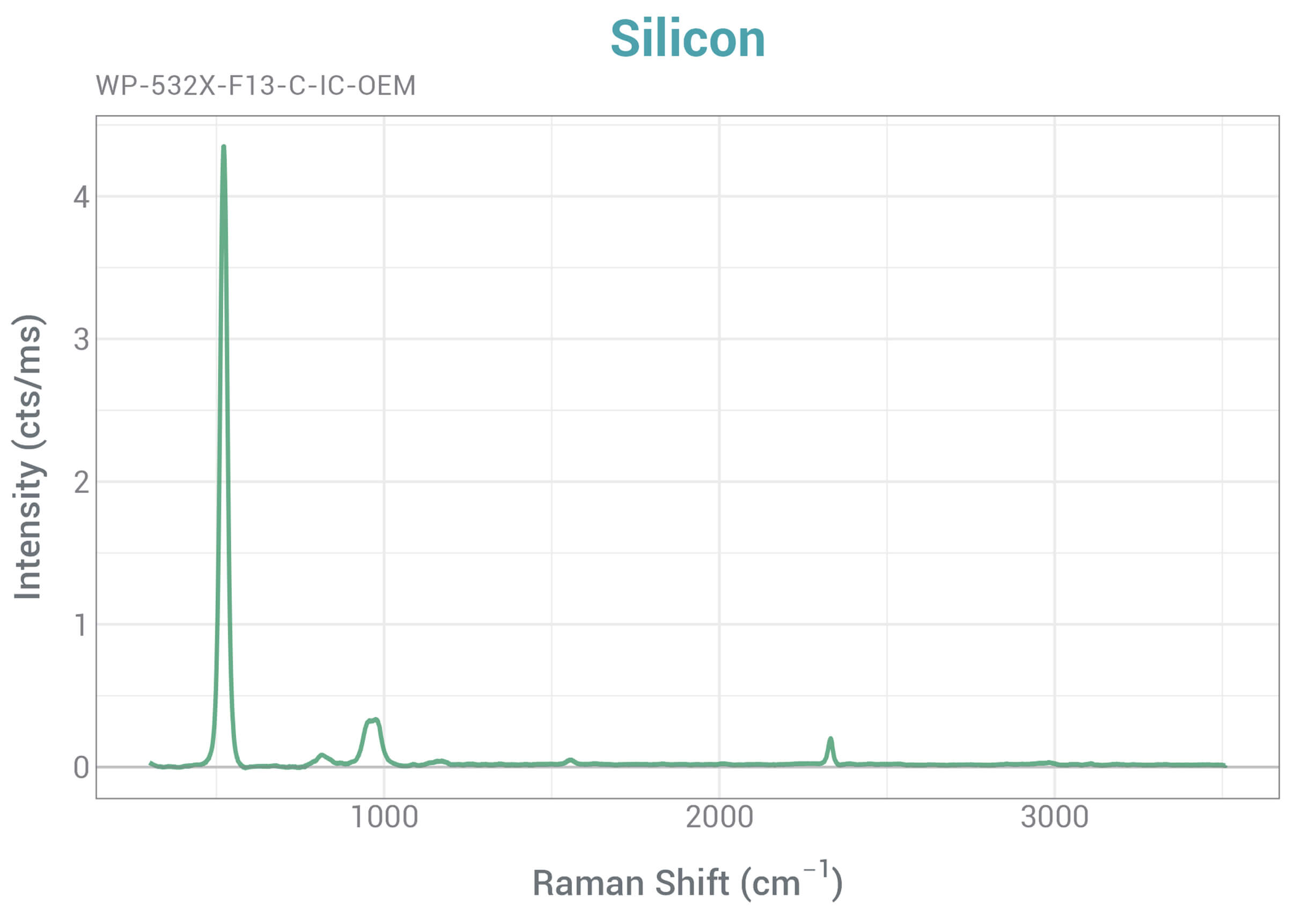
In silicon, stress and strain produce measurable shifts in Raman bands, requiring high spectral resolution and a stable frequency axis to accurately resolve changes in peak shape and position. Doping and chemical vapor deposition layers are identified through their characteristic spectral signatures, and the small laser spot enables mapping of local doping levels and their spatial variation across the surface.
Features & Benefits
•
High-throughput Raman products for low laser powers
Misty Johnson is responsible for taking care of our grating customers at the Logan, Utah, facility. She has been a member of the Wasatch Photonics team since 2009. By understanding her customers’ needs and goals, as well as the current grating market, Misty is able to provide a superior level of customer support. As Account Manager, she acts as a liaison between customers and Wasatch Photonics’ manufacturing department making sure that the lines of communication are always open.
Customer support is an integral part of Wasatch Photonics commitment to customers. Whether you are in the market to purchase a single grating, inquiring as a distributor, or purchasing large volume, Misty will guide you seamlessly through the custom design process. Misty strives to build trust and strong long term relationships with Wasatch Photonics customers. She brings 20 years’ experience as customer support manager from a number of manufacturing and service companies.