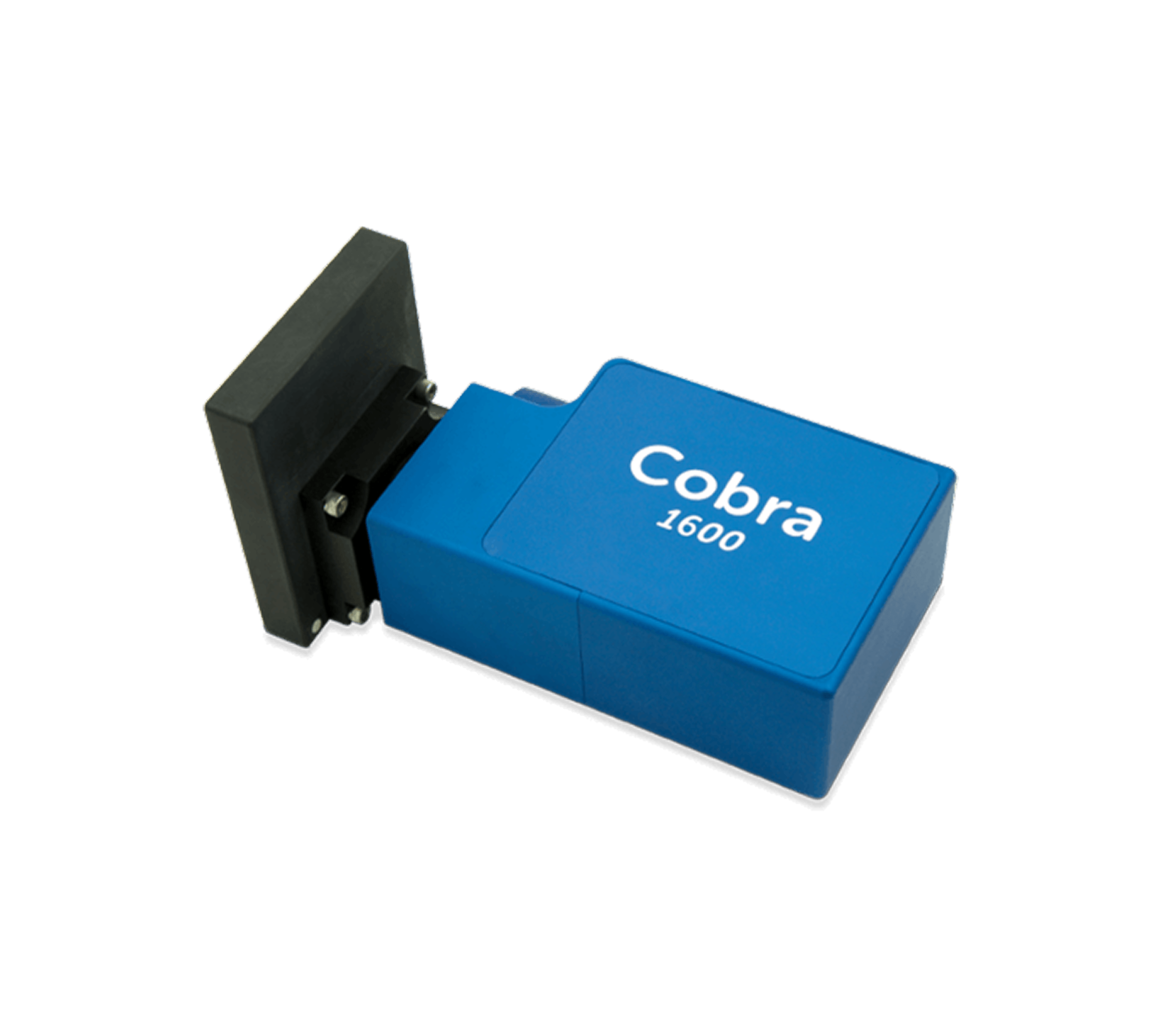
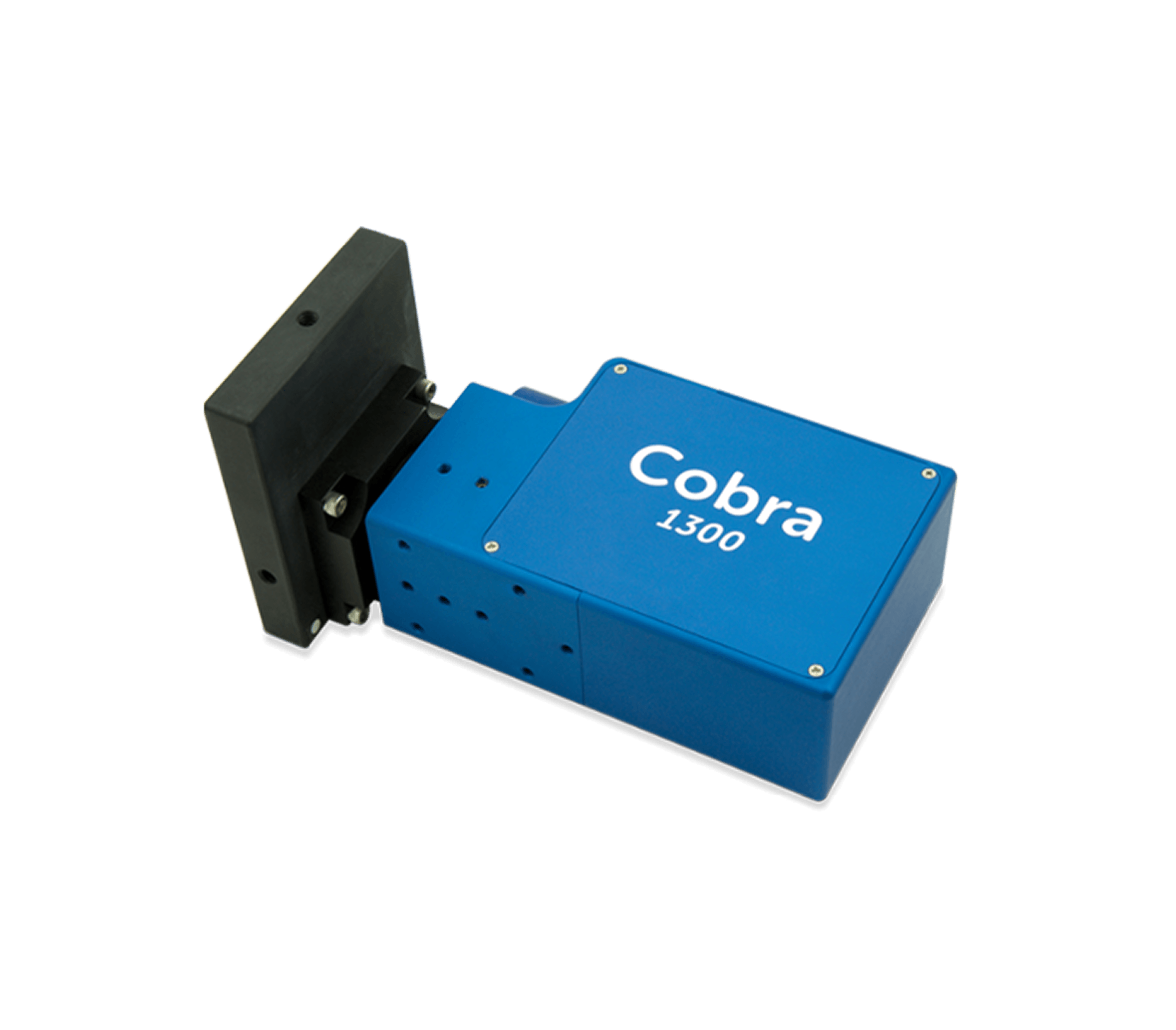
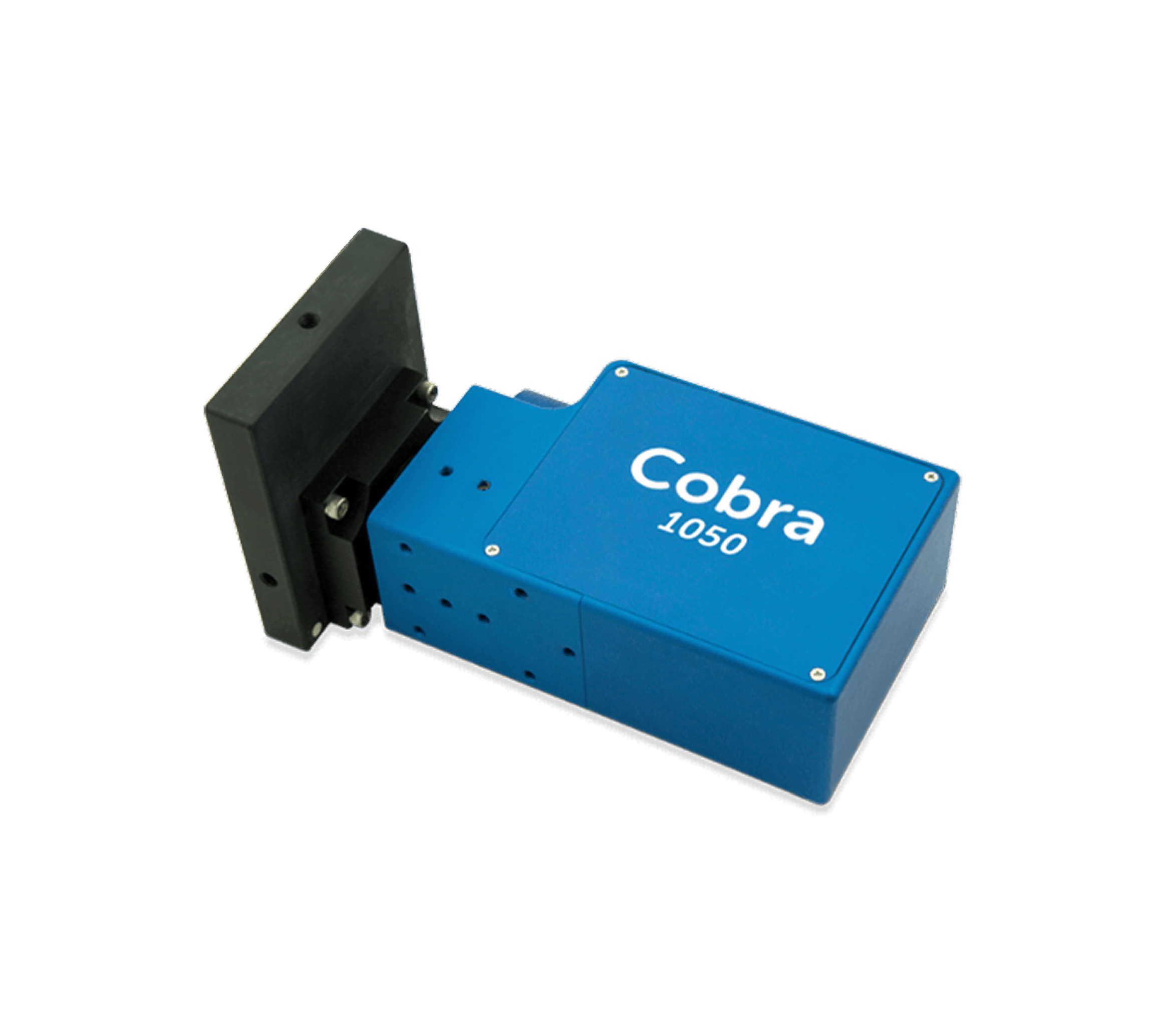
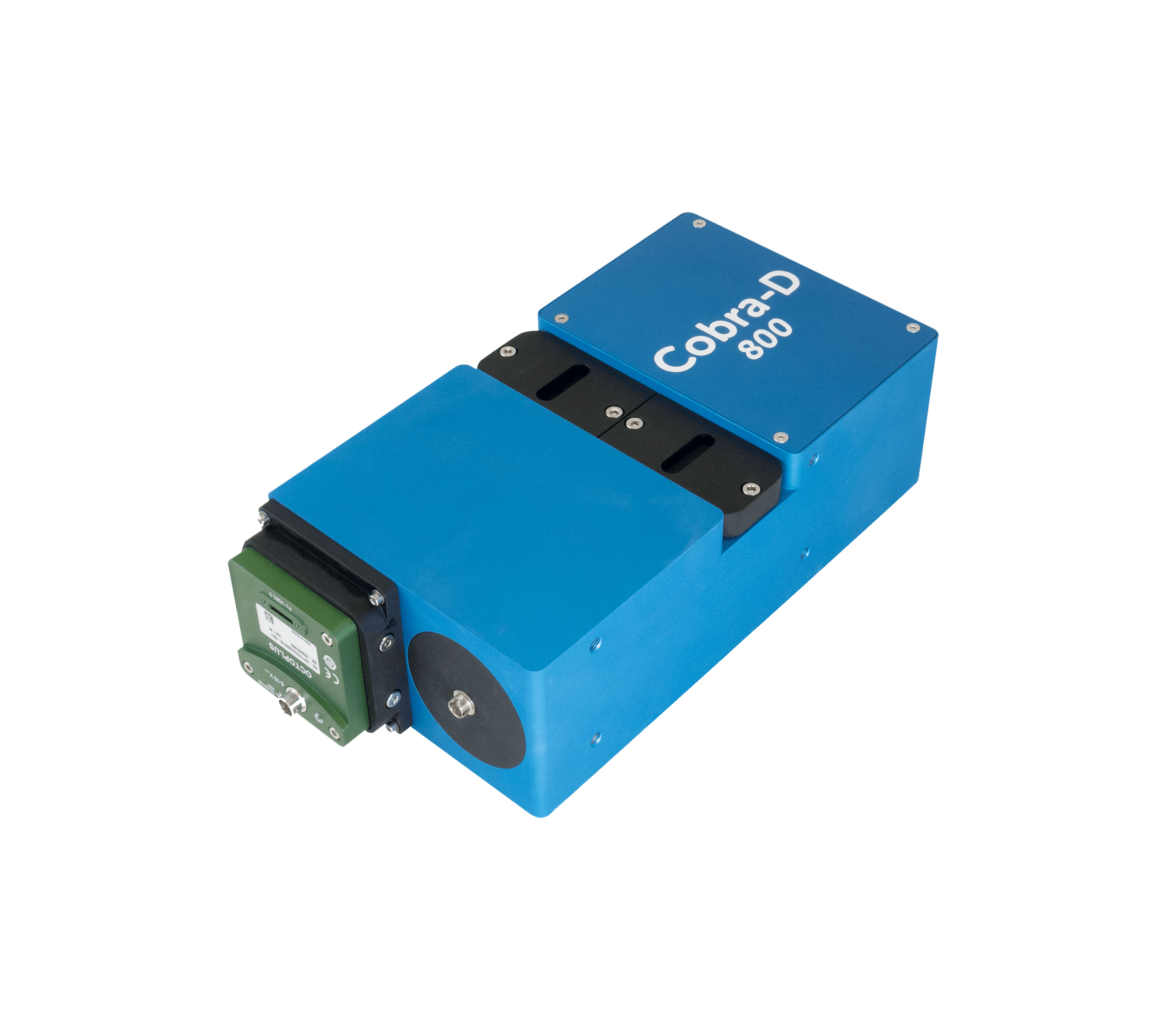
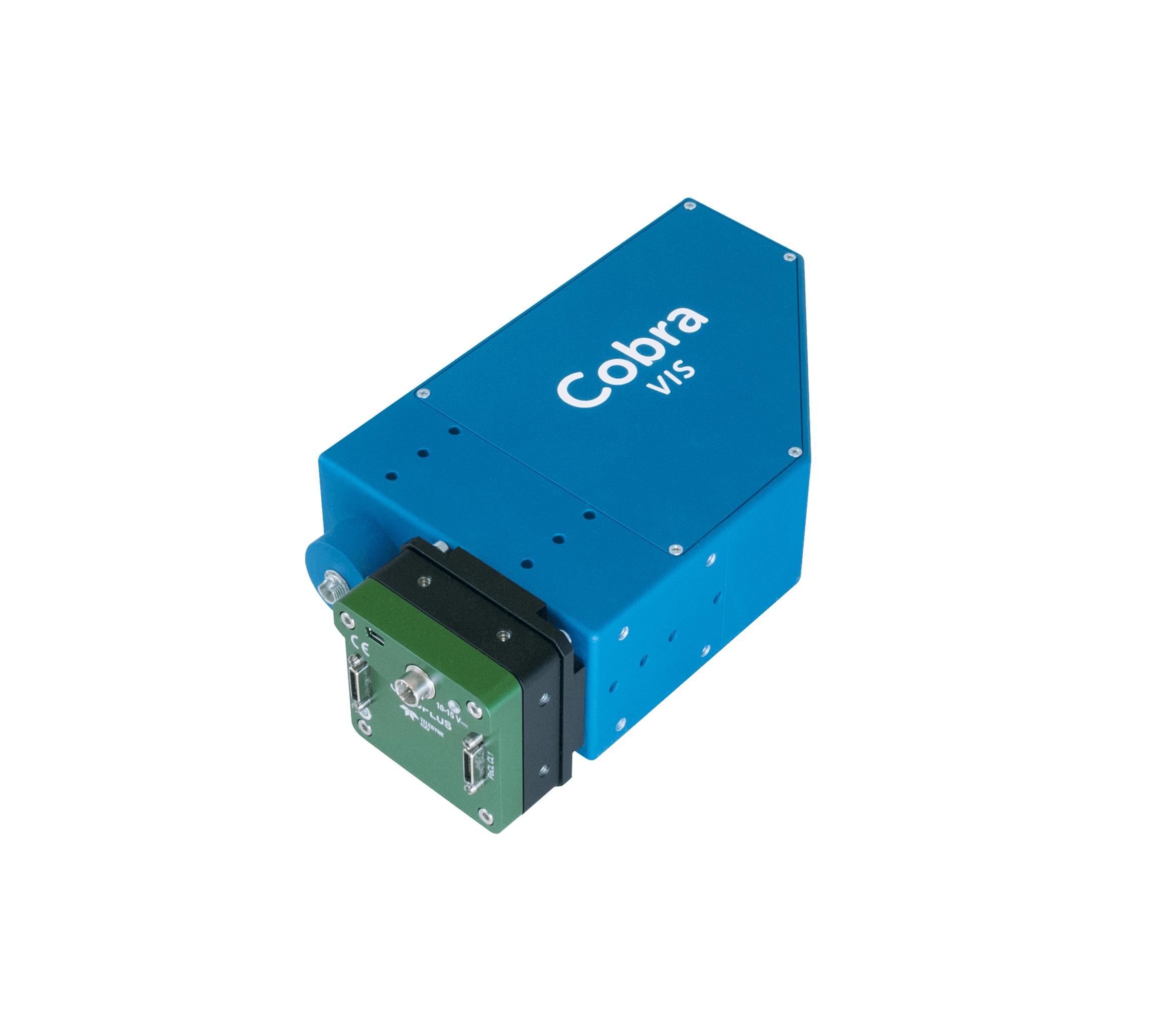
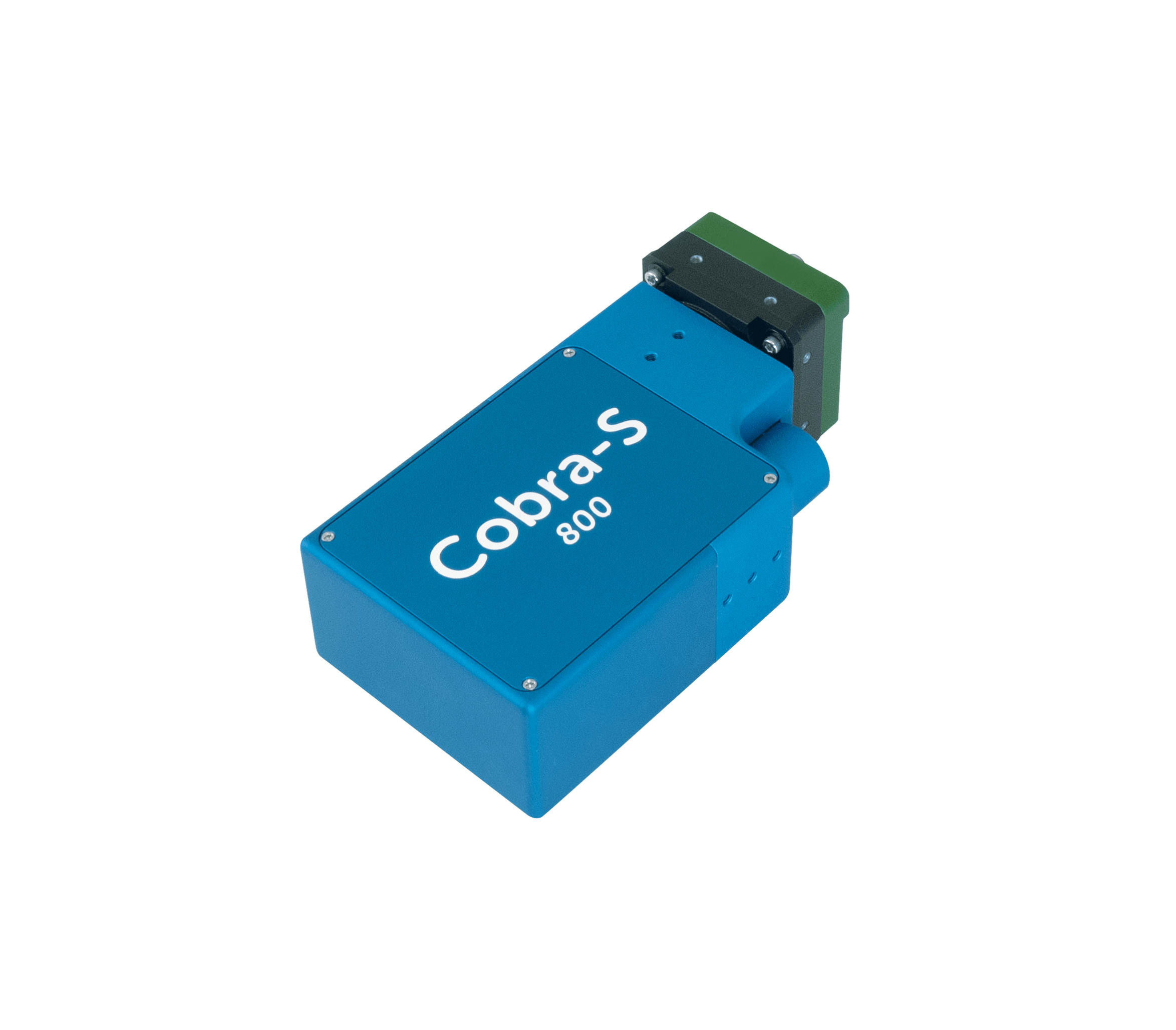
SD-OCT spectrometers for lab research, OEM & system integrators
The best images start with the right spectrometer, and we offer a comprehensive range of models with speeds up to 250 kHz to find your perfect fit. Choose the center wavelength and bandwidth for the depth and resolution you need, then select the camera, speed and connection right for your application (camera link or USB 3.0). Our proprietary low roll-off design delivers the best images possible.
With seven product families, covering the Vis, 800nm and SWIR spectral ranges, we have an expansive range of pre-configured SD-OCT spectrometers inspired by our customers’ unique application needs.
High sensitivity OCT spectrometer design based on transmissive VPH grating
•
Unique optical design resulting in superior SNR and deeper image clarity
•
Excellent roll-off performance
•
Minimal polarization dependence
•
Robust, compact design
•
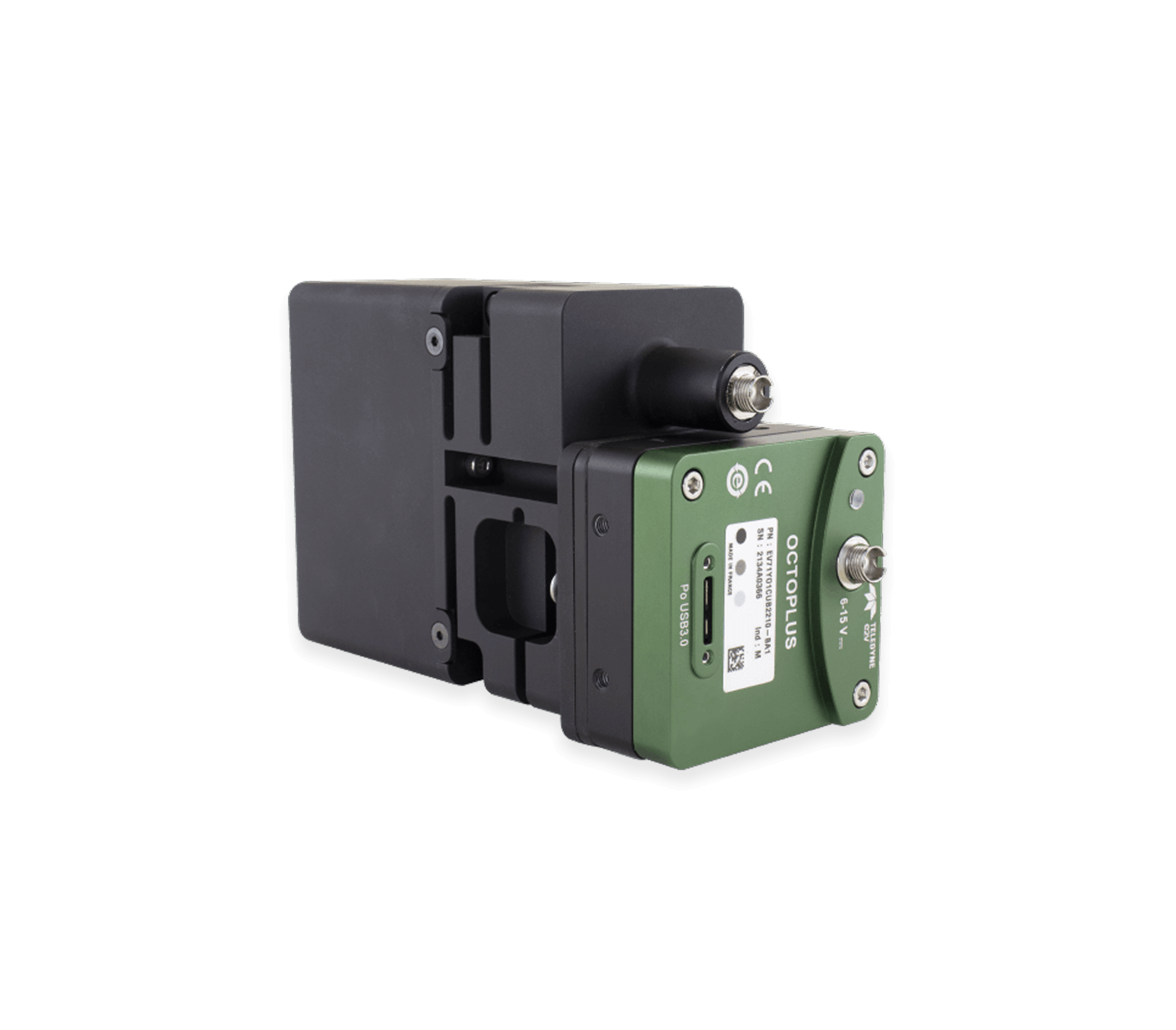
Multiple camera options to optimize configuration for each application
Cobra OCT spectrometers can be customized for a variety of applications. These spectrometers can achieve imaging depths of over 14mm, at imaging resolution below 2 µm, with spectral width greater than 500 nm and spectral resolution below 0.02nm. Cameras options include e2v Octoplus and Sensors Unlimited.
Choice of Wavelength
Widest range of commercially available SD-OCT spectrometers
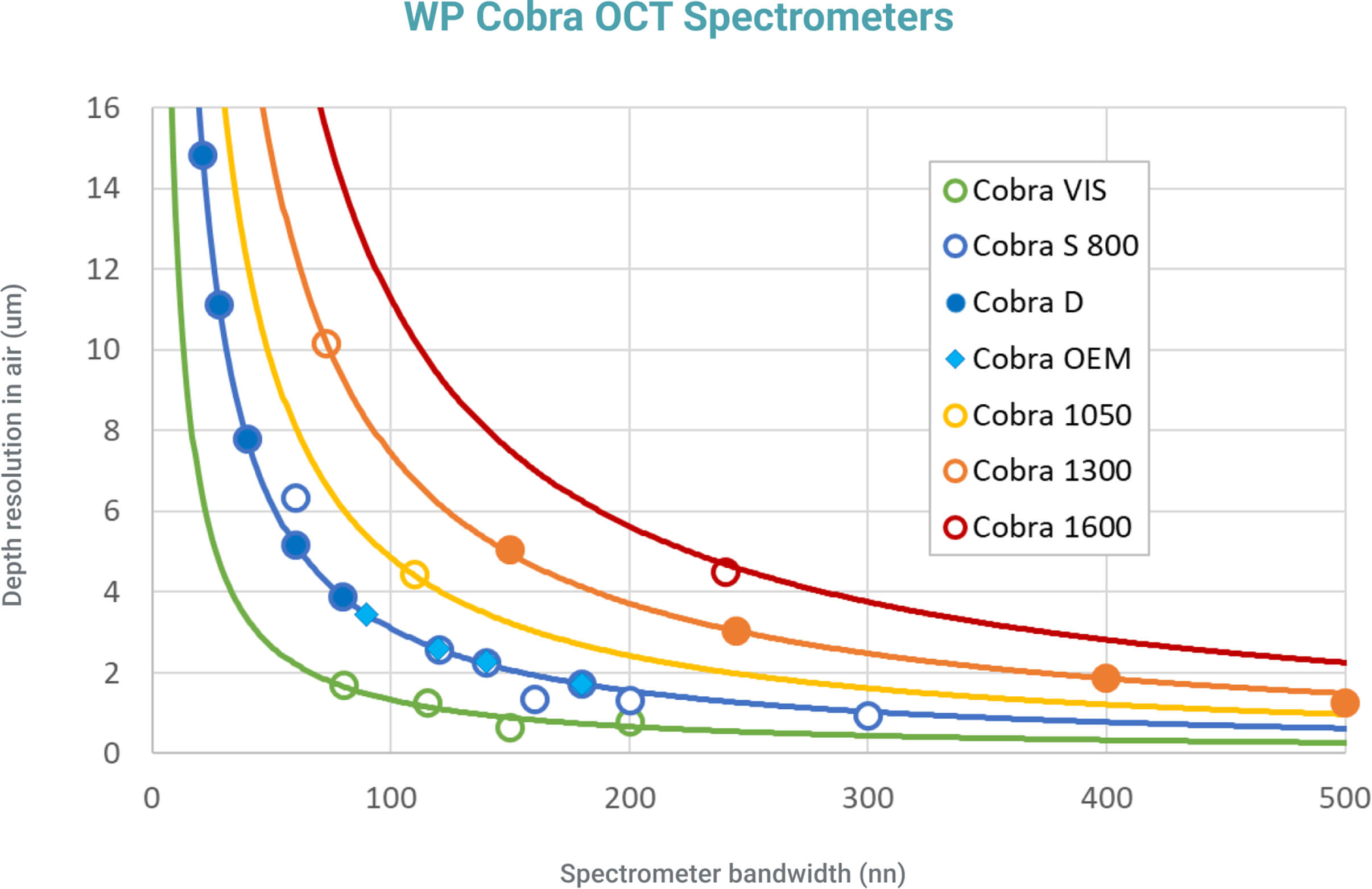
The best images start with the right spectrometer, and we offer a comprehensive range of wavelength options with speeds up to 250 kHz to find your perfect fit.
The center wavelength (λc) and spectrometer bandwidth (Δλ) determine axial resolution (δλ= ), whilst the bandwidth along with the number of camera pixels (N) impacts the imaging depth (dmax= ) in air (reduced by sample n).
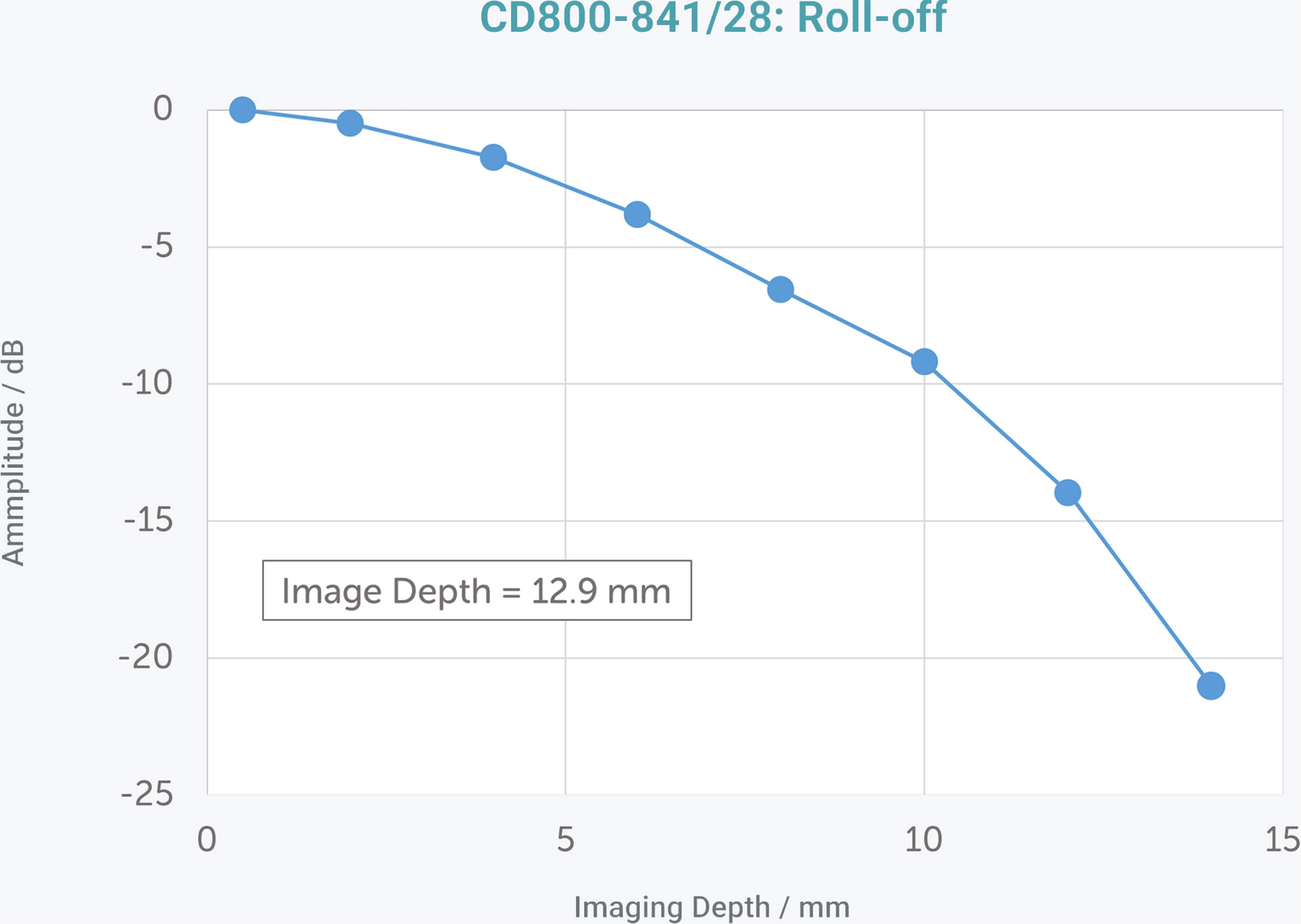
In OCT, the loss of sensitivity with increasing imaging depth is known as roll-off, referring to the gradual decay in sensitivity as depth increases. This effect mainly results from reduced fidelity in the detected interference pattern. Each spectrometer pixel detects a small range of wavelengths rather than a single wavelength, whereas ideal interference requires measurement at an infinitely narrow wavelength.
Roll-off is further amplified by spectral spreading, where light from one wavelength spreads to neighboring pixels due to the spectrometer’s finite resolution. While the first limitation is fundamental, the second can be reduced through careful optical design. Additionally, crosstalk between detector pixels—an inherent camera property—also contributes to roll-off, making detector selection particularly important for OCT spectrometer design.
Misty Johnson is responsible for taking care of our grating customers at the Logan, Utah, facility. She has been a member of the Wasatch Photonics team since 2009. By understanding her customers’ needs and goals, as well as the current grating market, Misty is able to provide a superior level of customer support. As Account Manager, she acts as a liaison between customers and Wasatch Photonics’ manufacturing department making sure that the lines of communication are always open.
Customer support is an integral part of Wasatch Photonics commitment to customers. Whether you are in the market to purchase a single grating, inquiring as a distributor, or purchasing large volume, Misty will guide you seamlessly through the custom design process. Misty strives to build trust and strong long term relationships with Wasatch Photonics customers. She brings 20 years’ experience as customer support manager from a number of manufacturing and service companies.