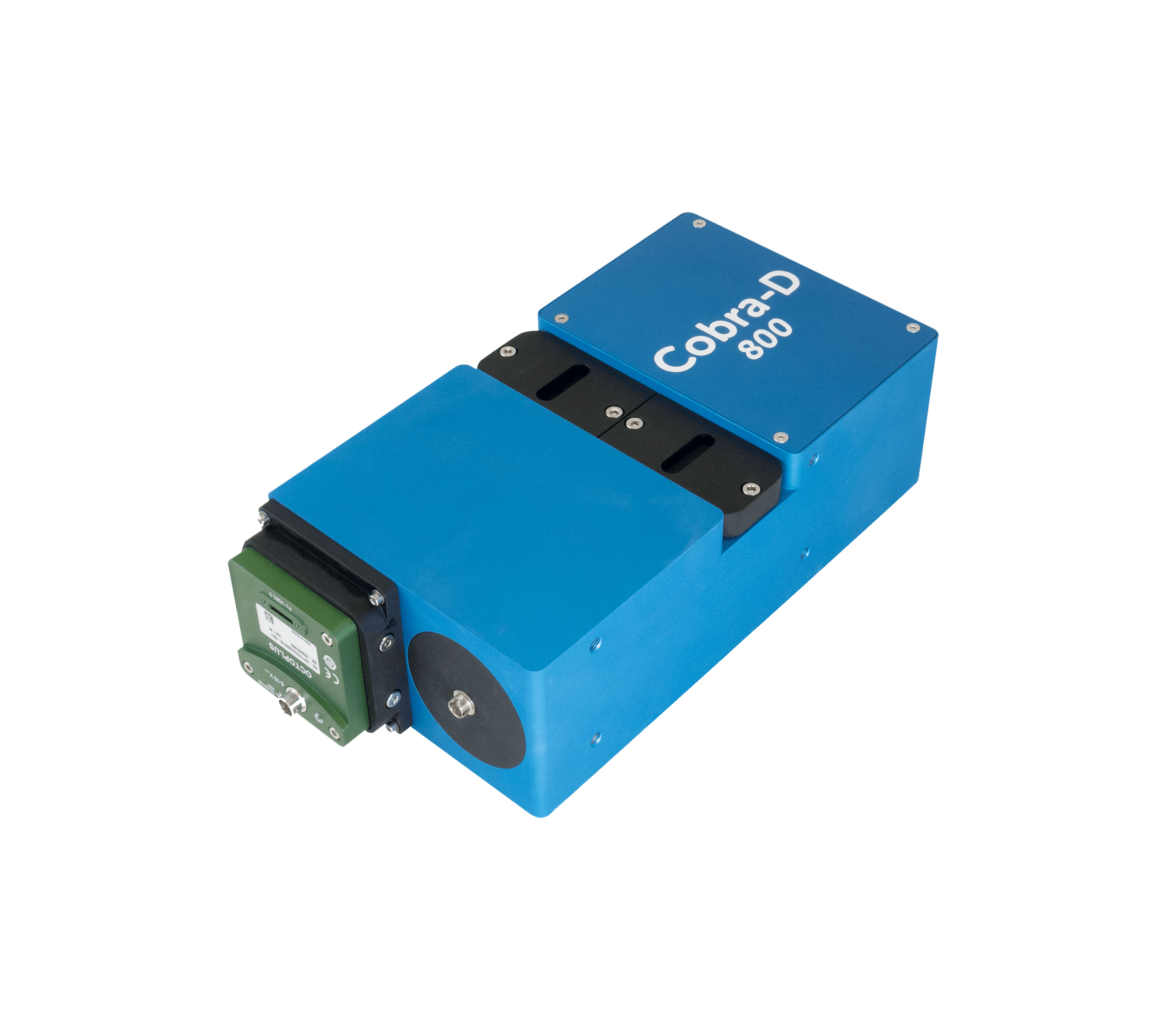
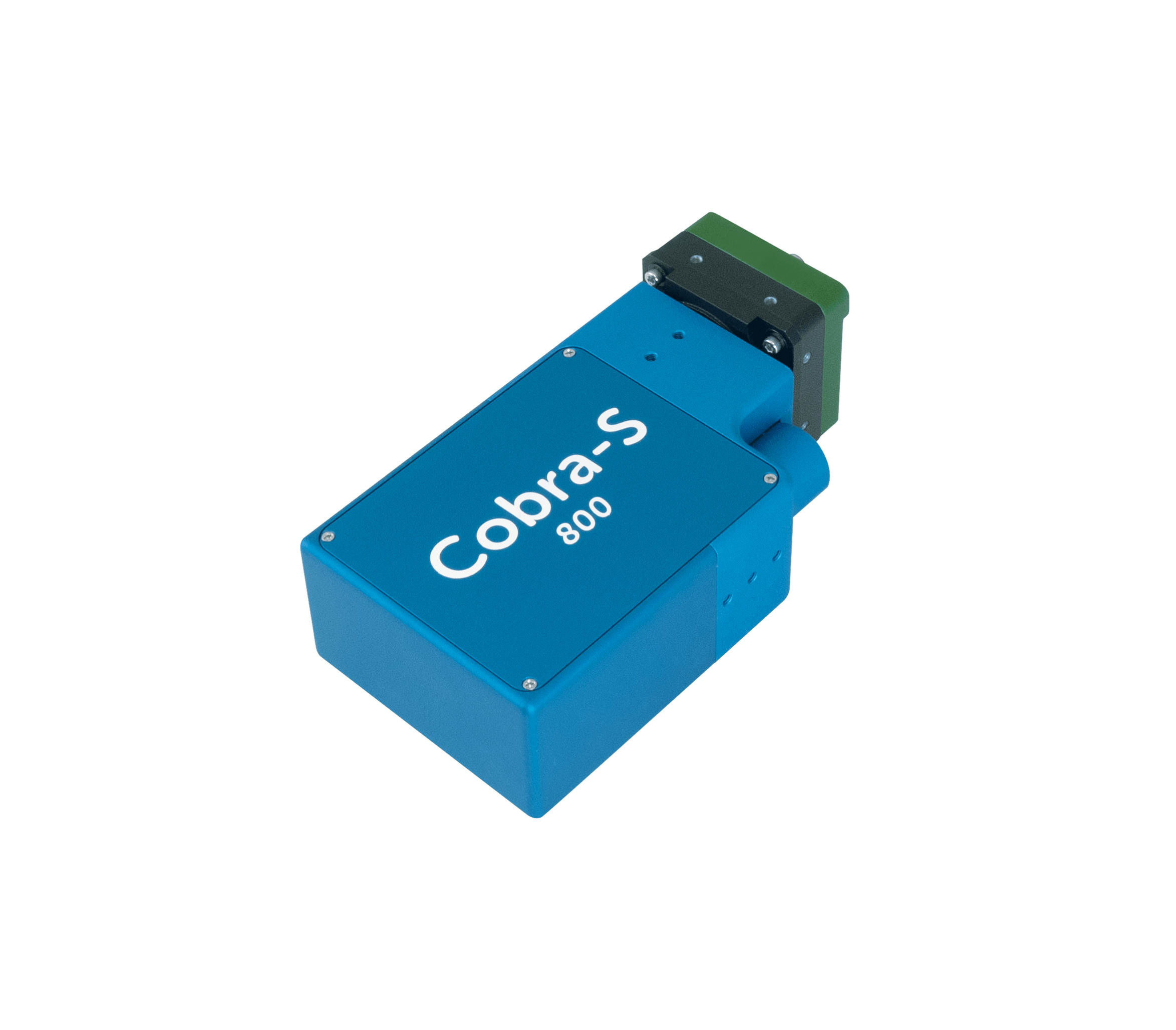
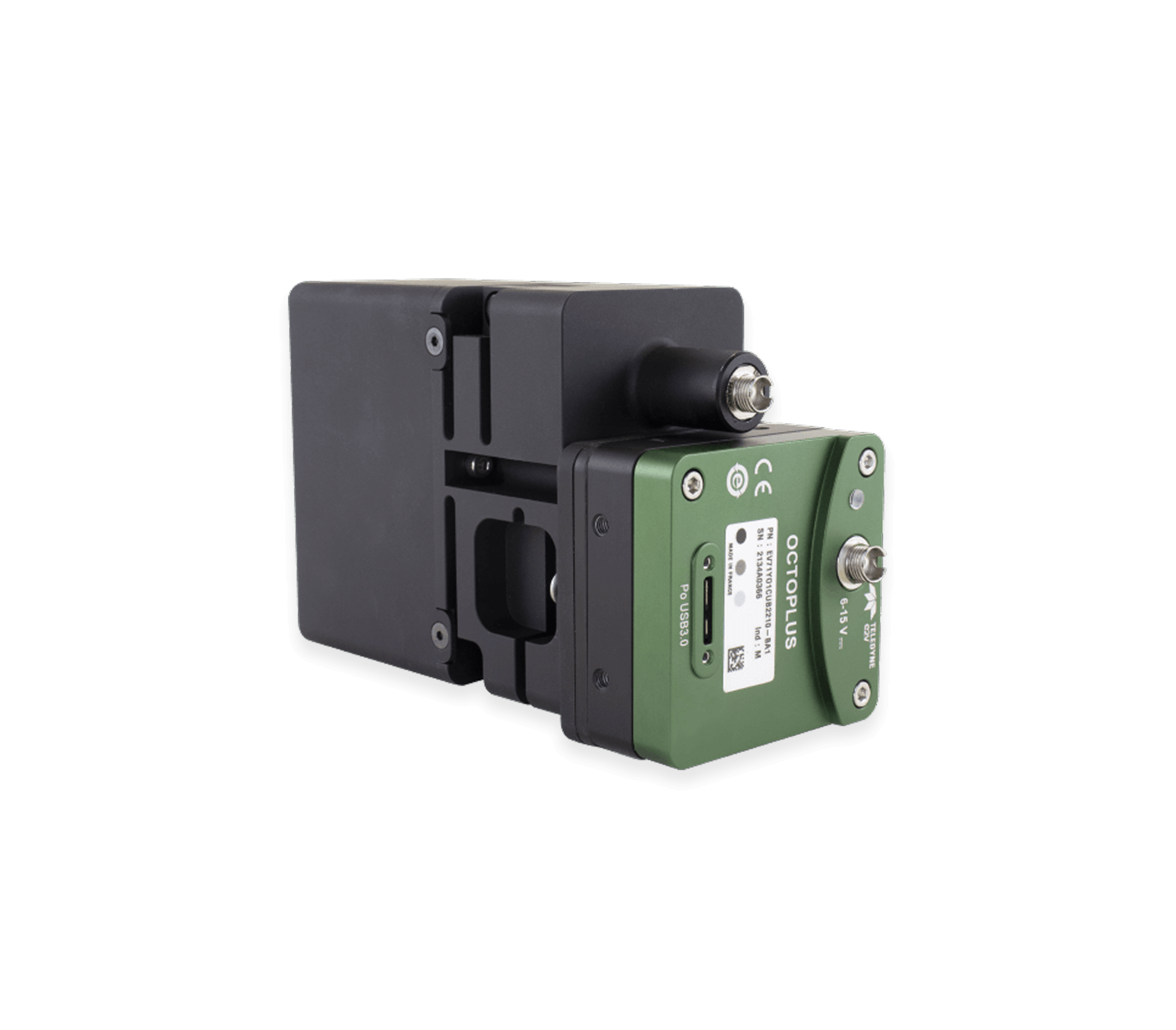
Cobra series spectrometers are leading the way in OCT NDT
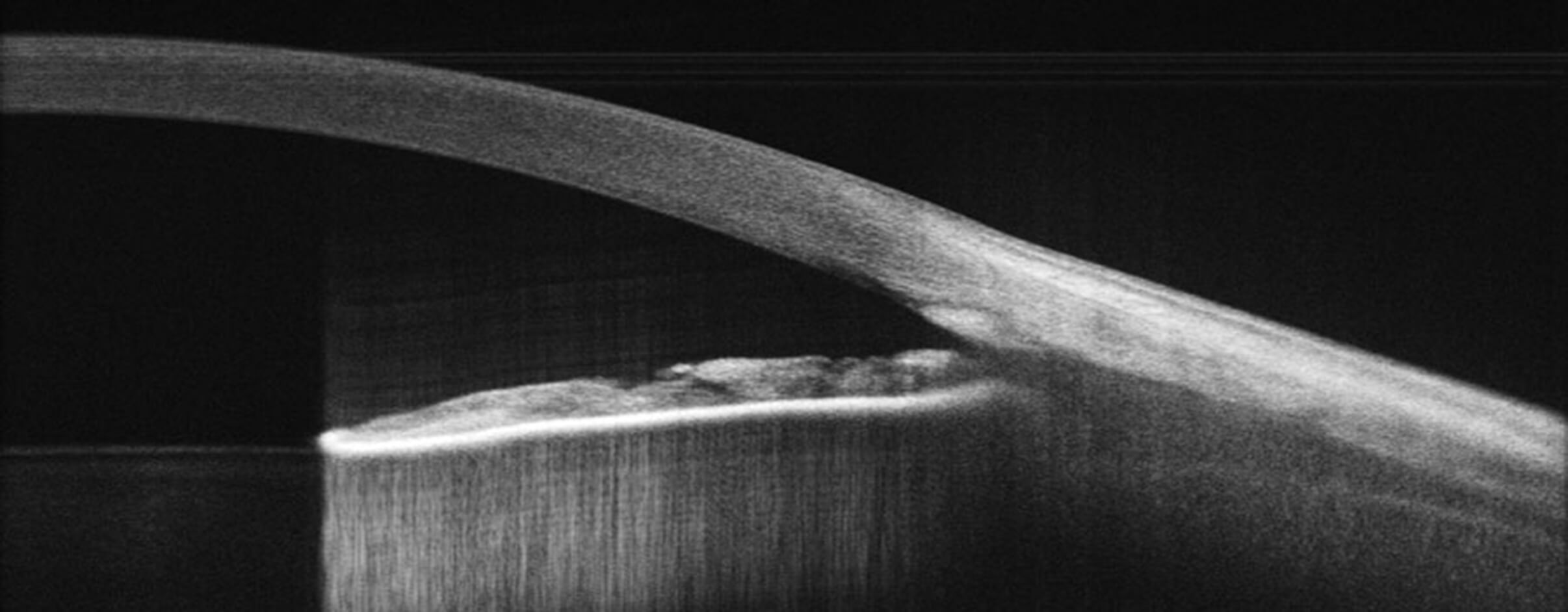
OCT has evolved from a biomedical imaging modality into a powerful metrology and inspection tool for advanced manufacturing. Its unique ability to provide micrometer-scale, depth-resolved imaging in real time places SD-OCT between surface microscopy and bulk techniques such as ultrasound and X-ray computed tomography—an intermediate regime where many critical manufacturing defects originate, particularly in laser-based processes governed by rapid thermal cycles and complex melt dynamics.
In laser manufacturing, defects are not only present in the final part but are formed during the process itself, making traditional post-process inspection insufficient. OCT addresses this gap by enabling in-situ, subsurface observation of process physics, functioning not only as an inspection tool but also as a sensor for real-time process control.
Features & Benefits
•
High resolution: 2.6-10.0 µm
•
Imaging depths up to 14 mm
•
Non-contact and non-invasive
•
No coupling medium required
•
3D imaging & dimensional analysis
•
Ability to operate up to 250kHz for high-speed production validation
•
Cobra D is a robust, field proven spectrometer
•
Ease of integration with SDK kits
Wasatch Photonics Non-Destructive Testing is a robust high-resolution OCT imaging technique for deep, non-contact 3D inspection in manufacturing.
NDT in Action
Manufacturing
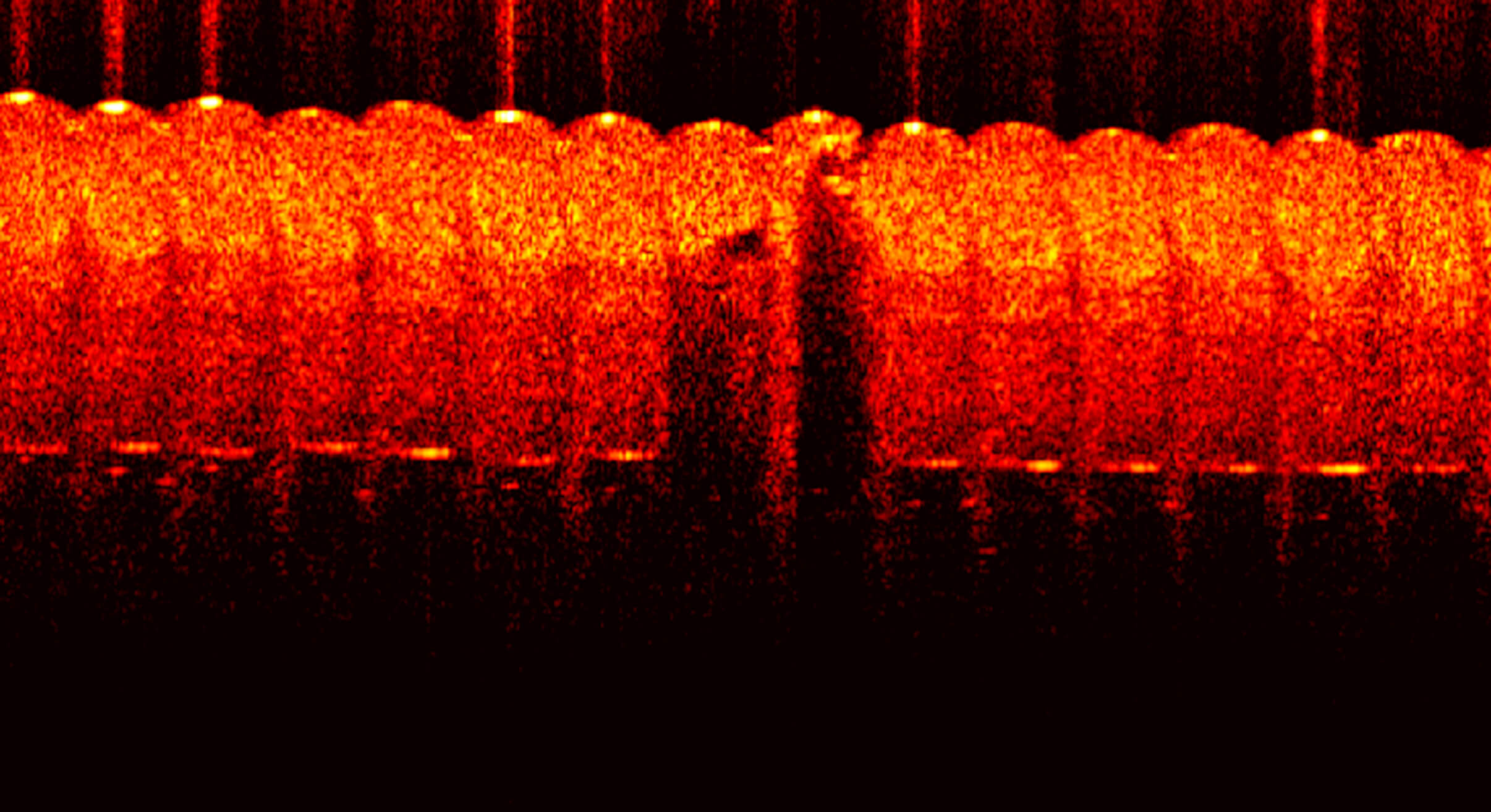
OCT is an excellent tool for evaluation of shapes and dimensions of tools, molds, and final parts, as shown here for polymer-based 3D printing. It can also provide real-time process feedback for control of ablation depth during laser machining, and for defect detection and dimensional analysis in additive manufacturing.
Aviation & Automotive
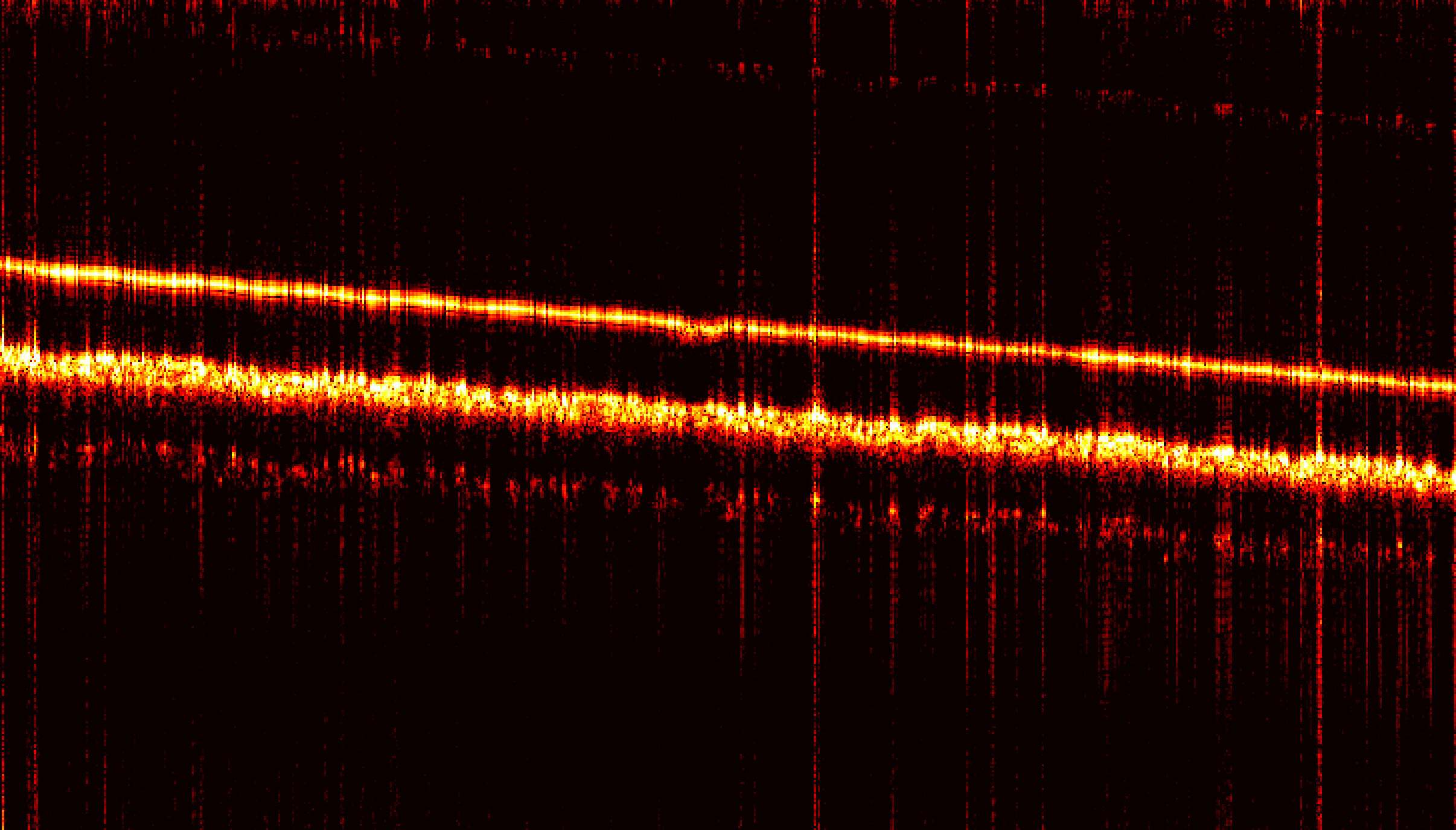
OCT can be used to evaluate application of critical coatings and paints in industries like aviation and automotive. High resolution layer imaging enables analysis of thickness uniformity and defects that can impact quality and safety, as shown in this detailed image of a multilayer paint coating.
Displays & Panels
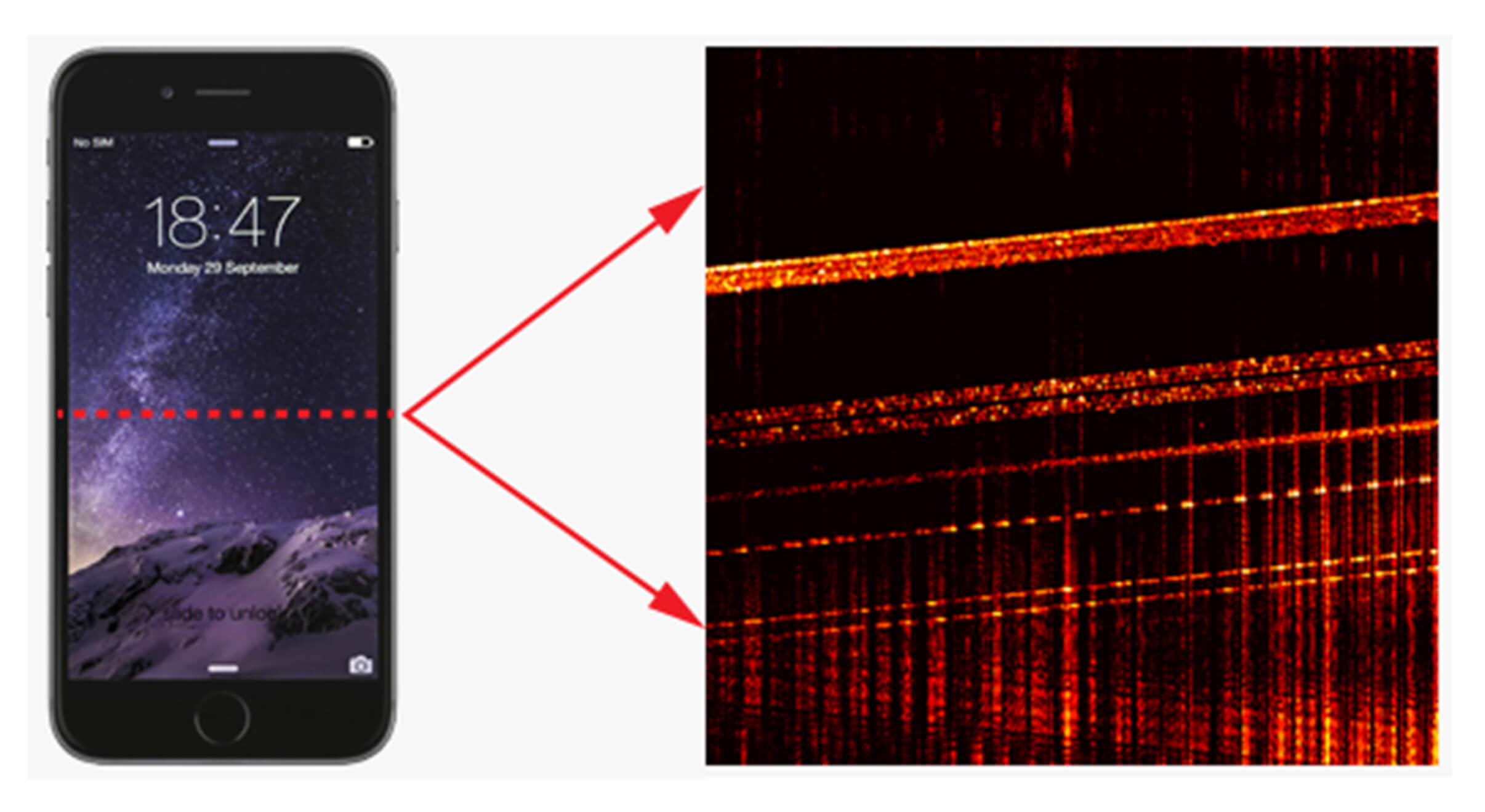
The excellent axial resolution of OCT is ideal for NDT imaging of the multilayered structures used in display panels. The 3D information acquired can be used to evaluate flatness uniformity and identify subsurface defects affecting display quality. Sublayers <10 µm in thickness can be clearly imaged, as shown here.
Misty Johnson is responsible for taking care of our grating customers at the Logan, Utah, facility. She has been a member of the Wasatch Photonics team since 2009. By understanding her customers’ needs and goals, as well as the current grating market, Misty is able to provide a superior level of customer support. As Account Manager, she acts as a liaison between customers and Wasatch Photonics’ manufacturing department making sure that the lines of communication are always open.
Customer support is an integral part of Wasatch Photonics commitment to customers. Whether you are in the market to purchase a single grating, inquiring as a distributor, or purchasing large volume, Misty will guide you seamlessly through the custom design process. Misty strives to build trust and strong long term relationships with Wasatch Photonics customers. She brings 20 years’ experience as customer support manager from a number of manufacturing and service companies.