
Astronomical Spectrographs

Lorem ipsum dolor sit amet, consectetur adipiscing elit. Vestibulum nec enim iaculis dui feugiat venenatis ac interdum turpis.

Astronomical Spectrographs

VPH Gratings Look to the Stars

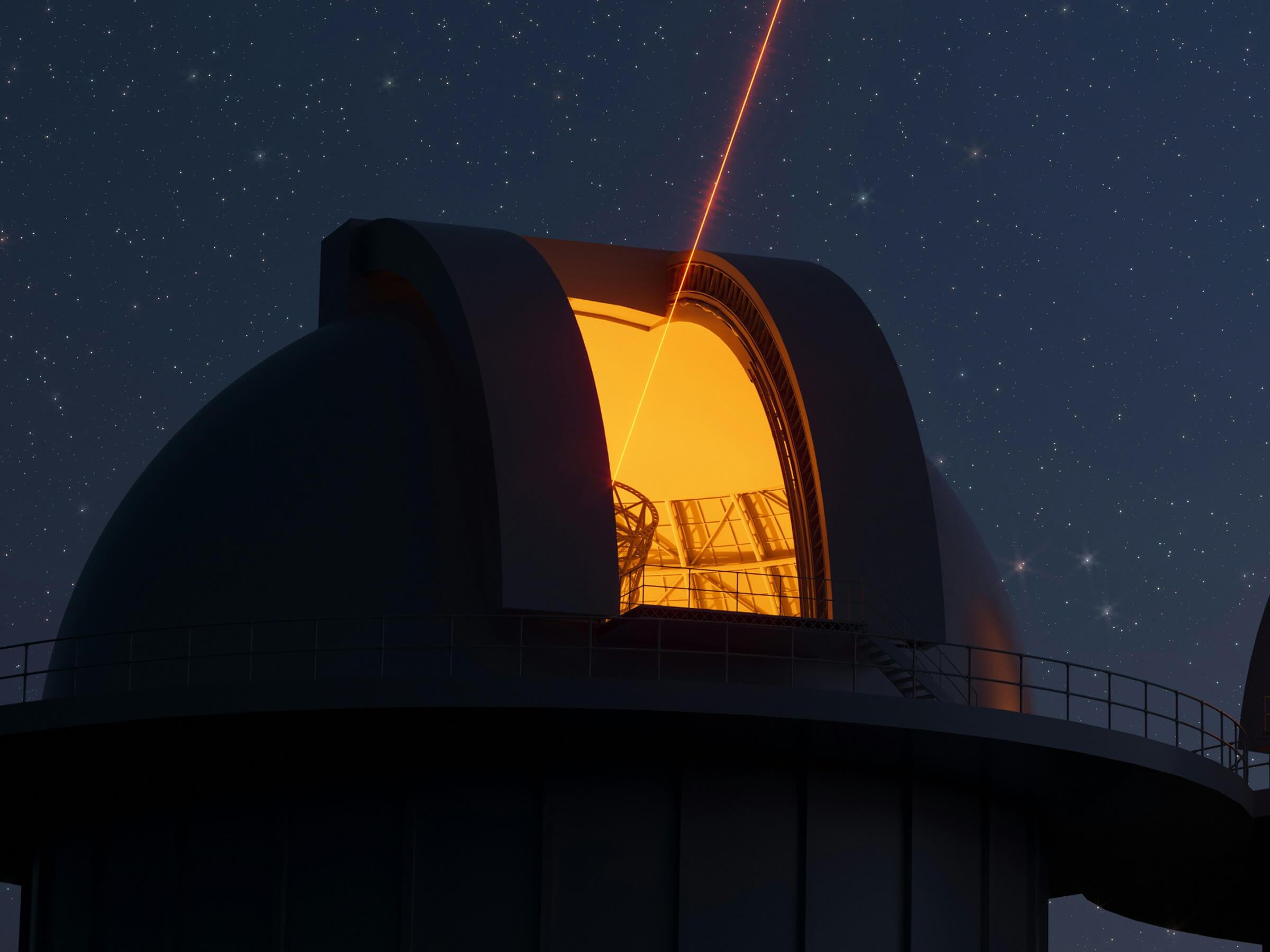
Every night around the world, observatories open their domes to capture light arriving from the most distant regions of the universe. The telescopes within diligently condense these precious photons for careful analysis by instruments like spectrographs, which further break down that light into its component colors.

For more than two decades, Wasatch Photonics has provided VPH Gratings used in astronomical spectrographs for telescopes ranging from 1.3 to 11 meters at observatories all over the world. During that time, telescopes have grown larger, projects have become more complex, and discoveries have become increasingly remarkable. Through it all, one thing has remained constant: our commitment to supporting this work and the profound questions it aims to explore.
Wasatch VPH Gratings in Astronomical Spectrography

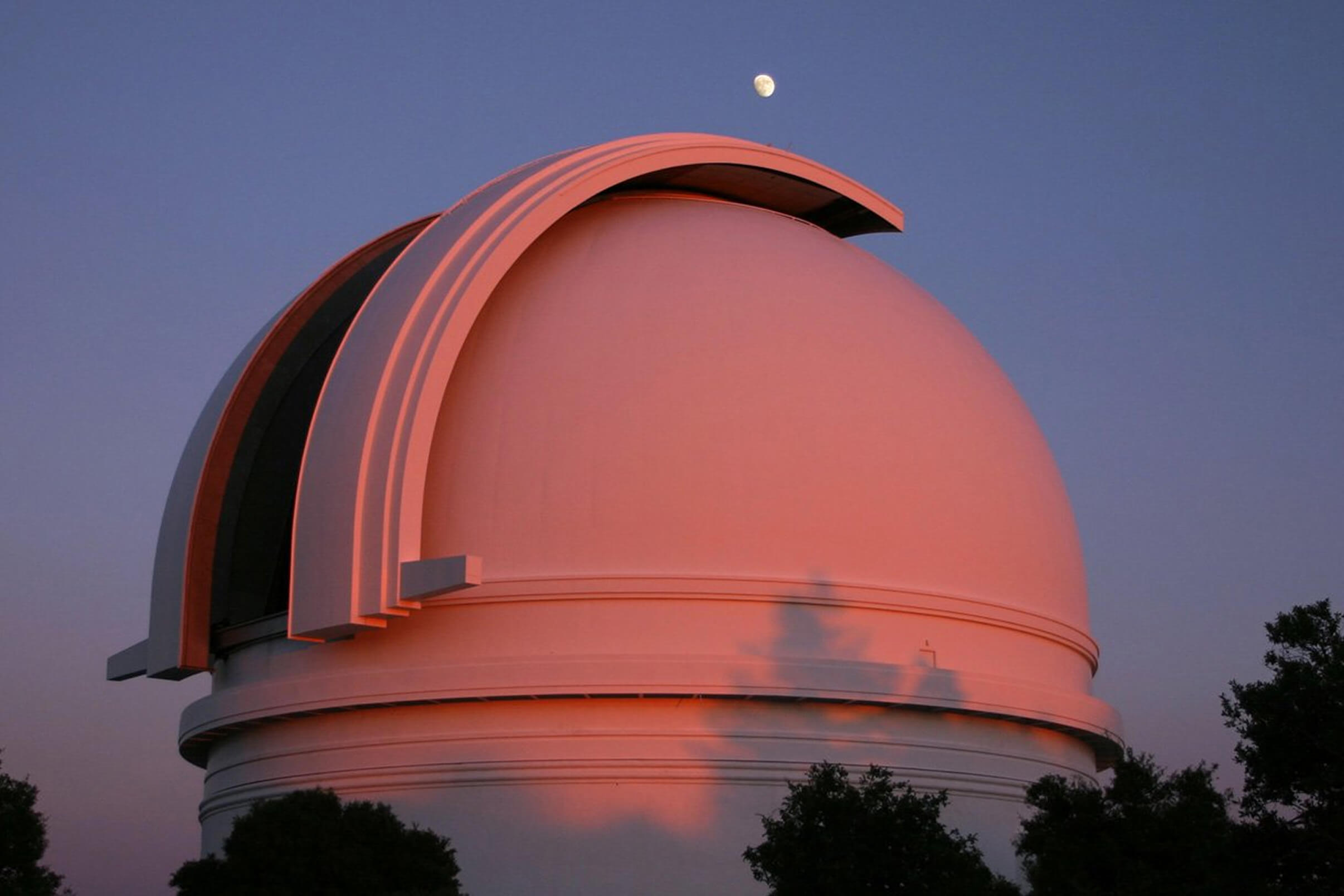
CWI – Hale Telescope – California

Spectrograph – 
Cosmic Web Imager (CWI) 1
Telescope – 
Hale Telescope, 5.1 m
Location – 
Palomar Observatory, San Diego County, California

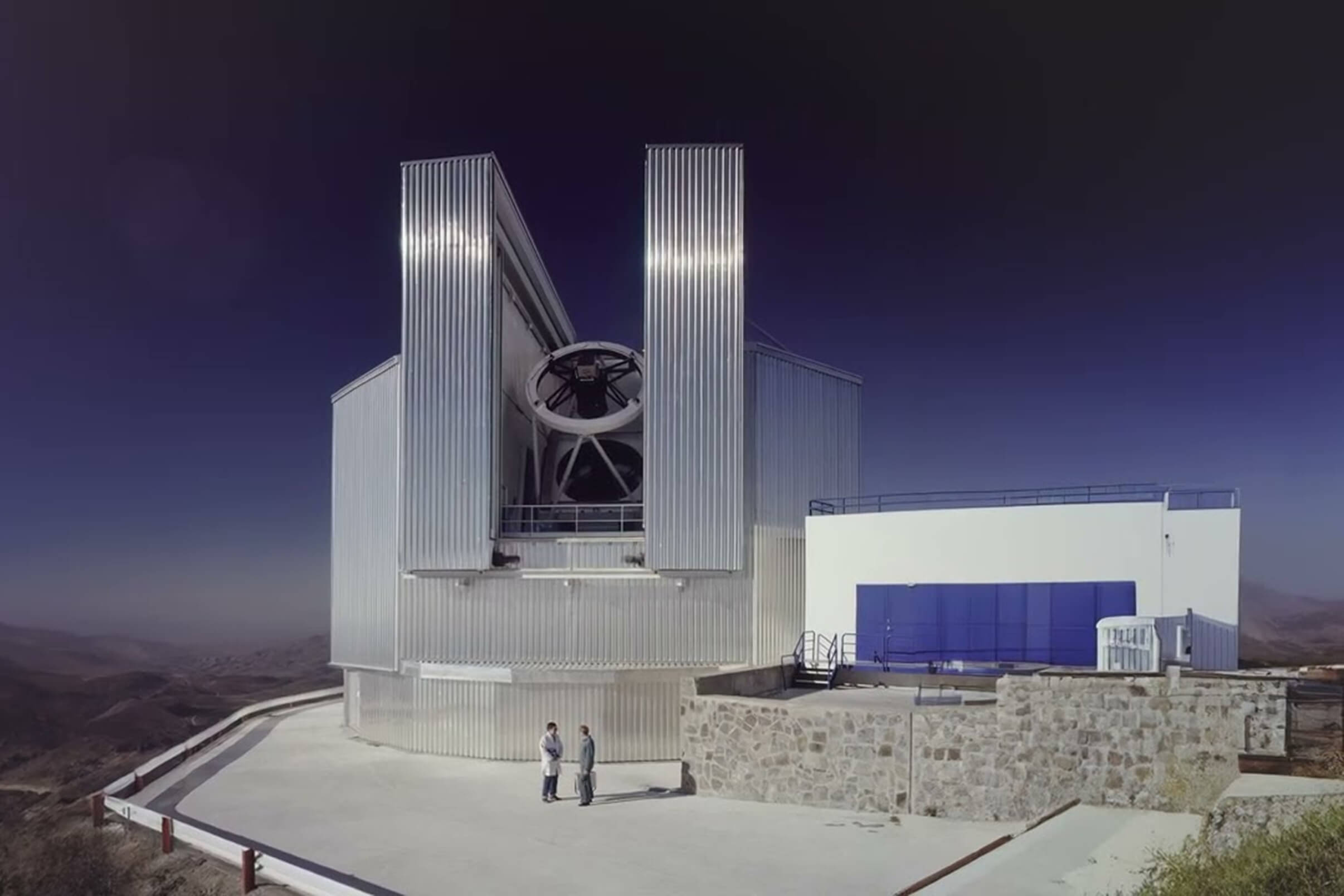
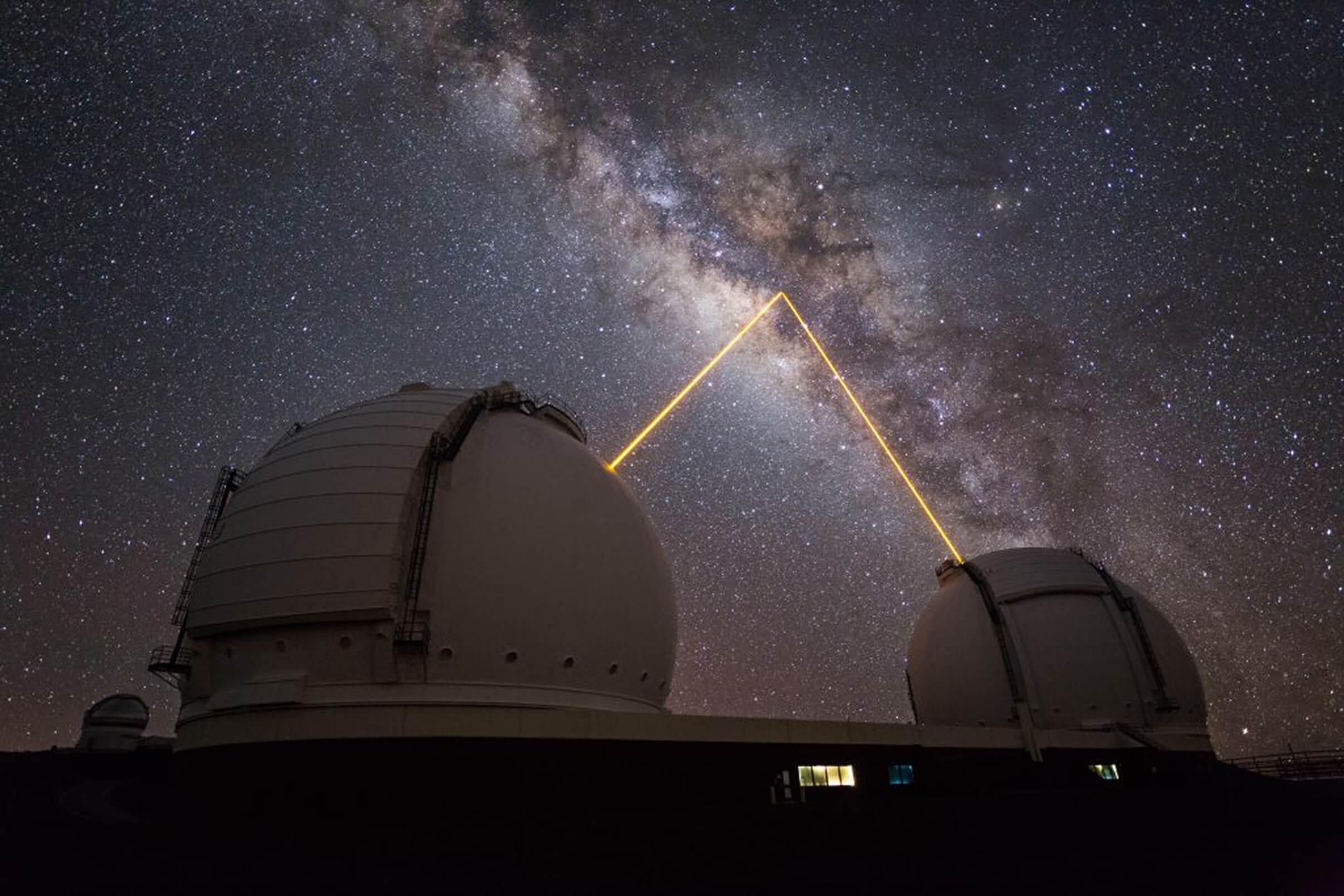
KCWI – Keck II Telescope – Hawaii

Spectrograph – Keck Cosmic Web Imager (KCWI) 2
Telescope – Keck II Telescope, 10 m
Location – Keck Observatory, Mauna Kea, Hawaii

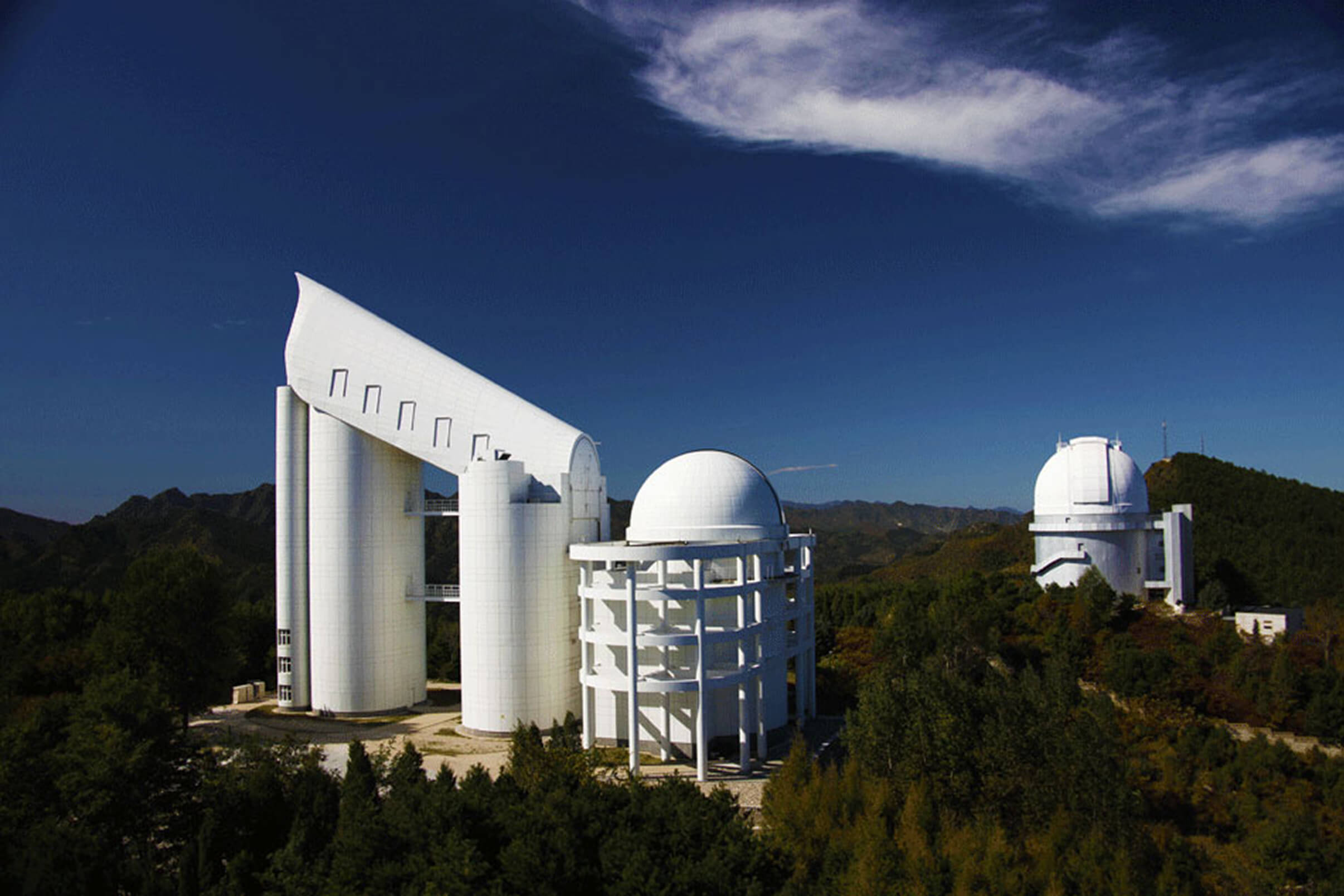
LAMOST-LRS – LAMOST – China

Spectrograph – Low Resolution Spectrographs (LRSs) 3
Telescope – Large Sky Area Multi-Object Fiber Spectroscopic Telescope (LAMOST), 4 m (primary mirror) / 6 m (secondary mirror)
Location – National Astronomical Observatories, Xinglong Station, China

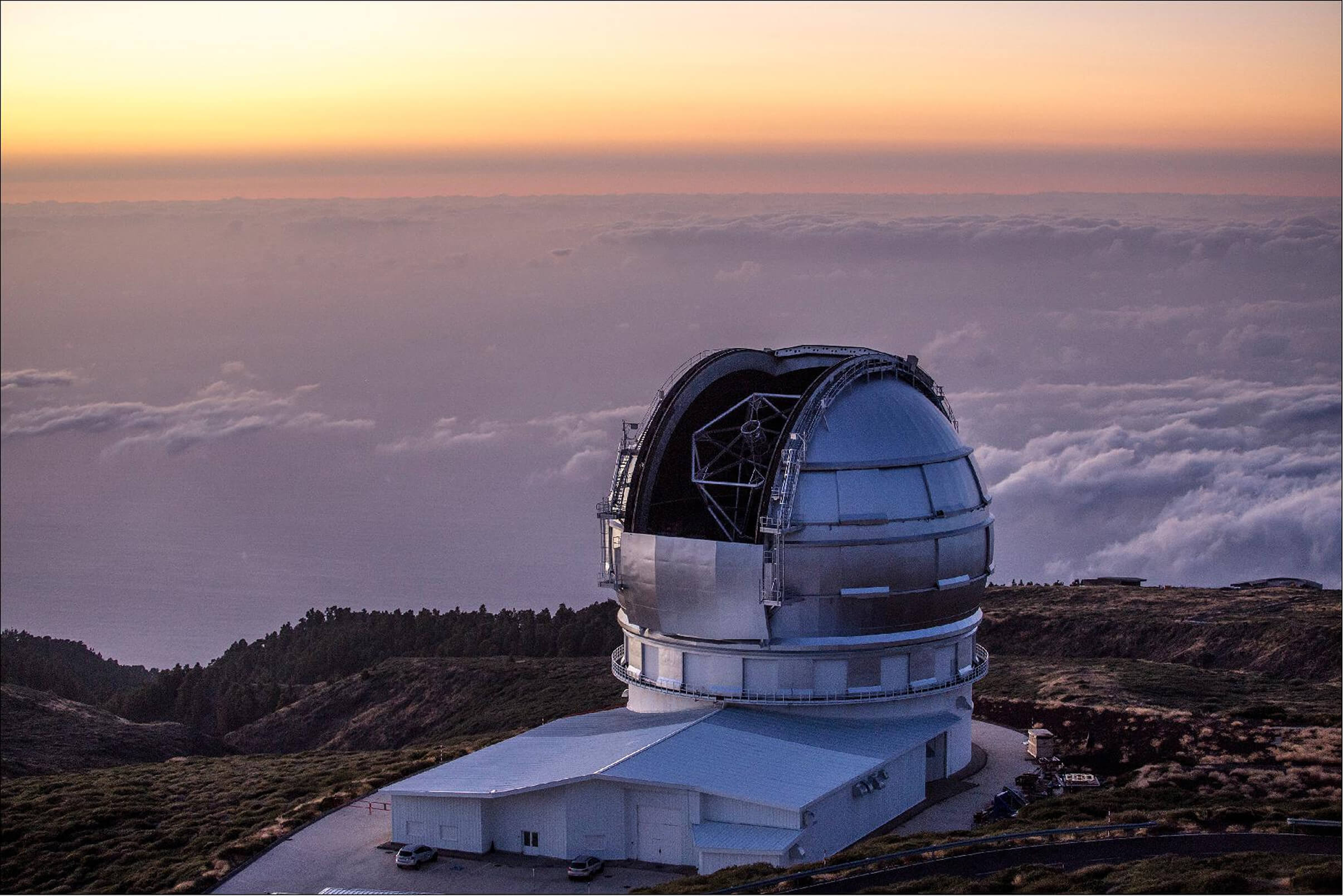
MEGARA – GTC – Spain

Spectrograph – Multi-EspectrĂłgrafo en GTC de Alta ResoluciĂłn para AstronomĂ­a (MEGARA) 4 5 6 7 8
Telescope – Gran Telescopio Canarias (GTC), 10.4 m
Location – Roque de los Muchachos Observatory, La Palma, Spain

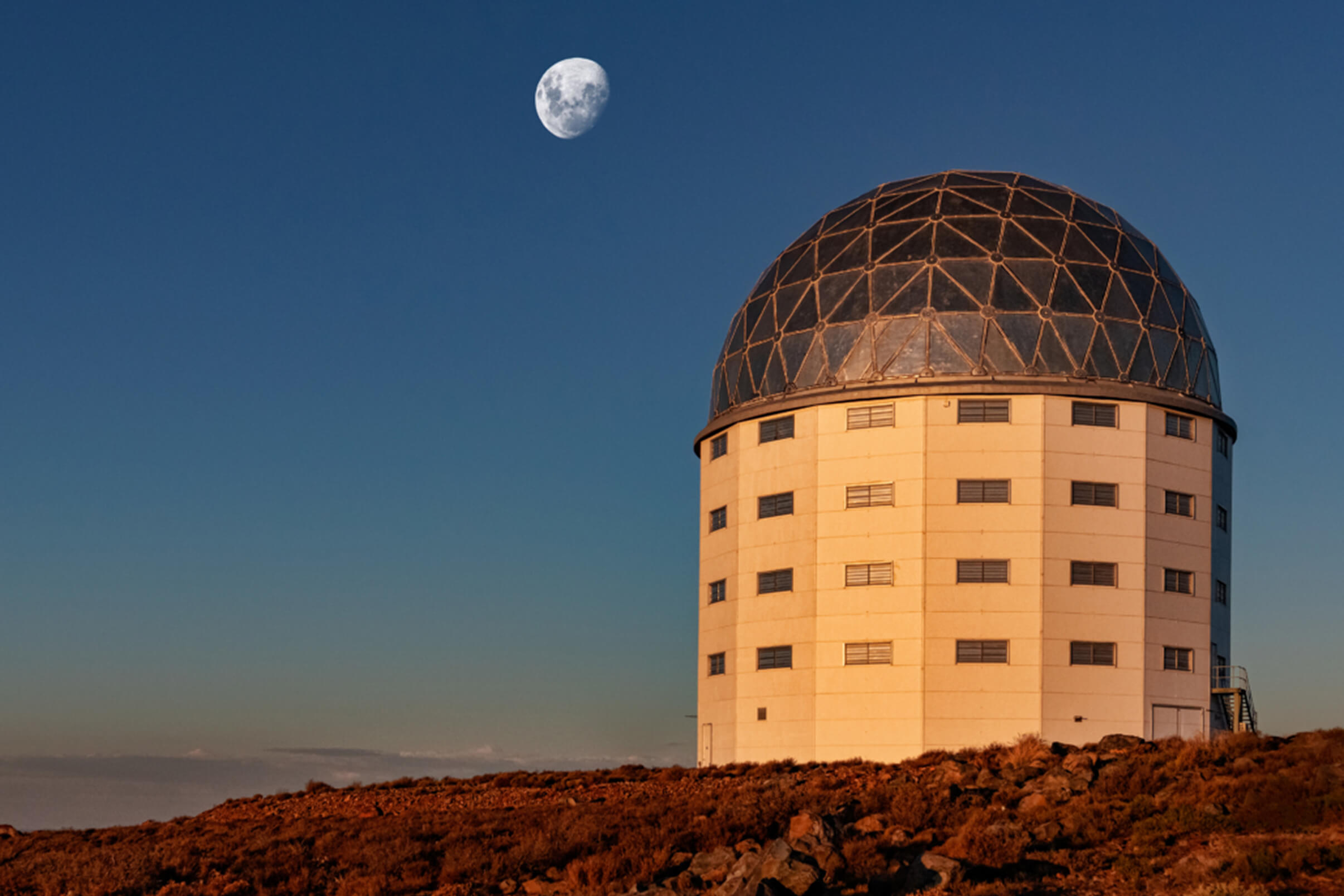
RSS-NIR – SALT – South Africa

Spectrograph – Robert Stobie Spectrograph Near Infrared Instrument (RSS-NIR) 9
Telescope – Southern African Large Telescope (SALT), 11 m
Location – South African Astronomical Observatory (SAAO), Sutherland, South

WINERED – Various Telescopes

Spectrograph – Warm Near-Infrared High-Resolution Spectrograph with Very High Throughput (WINERED) 10 11 12 13
Telescope – Various (compatible with any telescope with Nasmyth focus slower than f/11)
  • •

    1Araki Telescope, 1.3 m, Koyama Astronomical Observatory, Kyoto, Japan
  • •

    New Technology Telescope (NTT), 3.58 m, La Silla Observatory, La Higuera, Chile
  • •

    Magellan Clay Telescope, 6.5 m, Las Campanas Observatory, Atacama, Chile (planned)

References

  • 1.

    Matuszewski, Mateusz, et al., “The Cosmic Web Imager: an integral field spectrograph for the Hale Telescope at Palomar Observatory: instrument design and first results“, Ground-based and Airborne Instrumentation for Astronomy III. Vol 7735 International Society for Optics and Photonics, 2010
  • 2.

    Morrissey, Patrick, et al. “The Keck Cosmic Web Imager Integral Field Spectrograph.” The Astrophysical Journal 864.1 (2018): 93.
  • 3.

    Zhu, Yongtian, et al. “A multipurpose fiber-fed VPHG spectrograph for LAMOST.” Ground-based and Airborne Instrumentation for Astronomy. Vol. 6269. International for Optics and Photonics, 2006.
  • 4.

    de Paz, A. Gil, et al. “MEGARA: a new generation optical spectrograph for GTC.” Ground-based and Airborne Instrumentation for Astronomy V. Vol. 9147. International Society for Optics and Photonics, 2014.
  • 5.

    García-Vargas, María Luisa, et al. “Project management for complex ground-based instruments: MEGARA plan.” Modeling, Systems Engineering, and Project Management for Astronomy VI. Vol. 9150. International Society for Optics and Photonics, 2014.
  • 6.

    de Paz, A. Gil, et al. “MEGARA, the new intermediate-resolution optical IFU and MOS for GTC: getting ready for the telescope.” Ground-based and Airborne Instrumentation for Astronomy VI. Vol. 9908. International Society for Optics and Photonics, 2016.
  • 7.

    Martínez-Delgado, I., et al. “MEGARA: large pupil element tests and performance.” Advances in Optical and Mechanical Technologies for Telescopes and Instrumentation II. Vol. 9912. International Society for Optics and Photonics, 2016.
  • 8.

    Ortiz, R., et al. “MEGARA anti-reflective coatings: theoretical and observed throughput estimations.” Advances in Optical and Mechanical Technologies for Telescopes and Instrumentation III. Vol. 10706. International Society for Optics and Photonics, 2018.
  • 9.

    Wolf, Marsha J., et al. “Project status of the Robert Stobie spectrograph near infrared instrument (RSS-NIR) for SALT.” Ground-based and Airborne Instrumentation for Astronomy V. Vol. 9147. International Society for Optics and Photonics, 2014.006.
  • 10.

    Yasui, Chikako, et al. “Warm infrared Echelle spectrograph (WINERED): testing of optical components and performance evaluation of the optical system.” Ground-based and Airborne Instrumentation for Astronomy II. Vol. 7014. International Society for Optics and Photonics, 2008.
  • 11.

    Otsubo, Shogo, et al. “First high-efficiency and high-resolution (R= 80,000) NIR spectroscopy with high-blazed Echelle grating: WINERED HIRES modes.” Ground-based and Airborne Instrumentation for Astronomy VI. Vol. 9908. International Society for Optics and Photonics, 2016.
  • 12.

    Ikeda, Yuji, et al. “High sensitivity, wide coverage, and high-resolution NIR non-cryogenic spectrograph, WINERED.” Ground-based and Airborne Instrumentation for Astronomy VI. Vol. 9908. International Society for Optics and Photonics, 2016.
  • 13.

    Ikeda, Yuji, et al. “Very high-sensitive NIR high-resolution spectrograph WINERED: On-going observations at NTT.” Ground-based and Airborne Instrumentation for Astronomy VII. Vol. 10702. International Society for Optics and Photonics, 2018.

Ready to Start Your Project?

Not sure where to start? Use our grating calculator, submit your parameters or custom design, and let our experts handle the rest.

Misty Johnson

Misty Johnson is responsible for taking care of our grating customers at the Logan, Utah, facility. She has been a member of the Wasatch Photonics team since 2009. By understanding her customers’ needs and goals, as well as the current grating market, Misty is able to provide a superior level of customer support. As Account Manager, she acts as a liaison between customers and Wasatch Photonics’ manufacturing department making sure that the lines of communication are always open.

Customer support is an integral part of Wasatch Photonics commitment to customers. Whether you are in the market to purchase a single grating, inquiring as a distributor, or purchasing large volume, Misty will guide you seamlessly through the custom design process. Misty strives to build trust and strong long term relationships with Wasatch Photonics customers. She brings 20 years’ experience as customer support manager from a number of manufacturing and service companies.