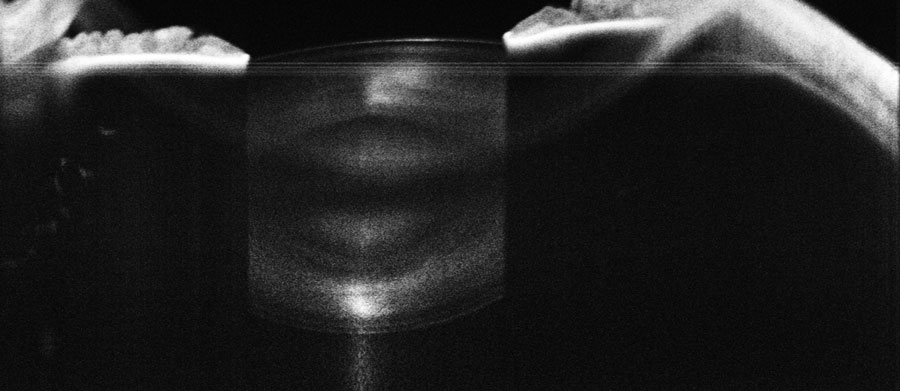
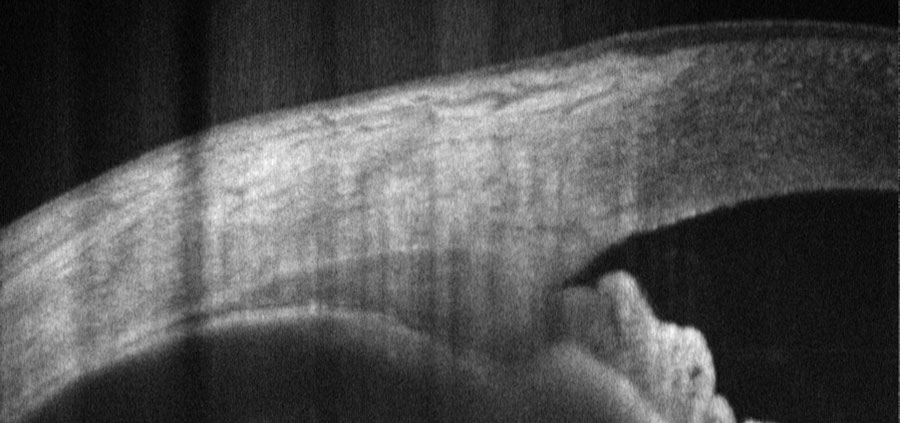
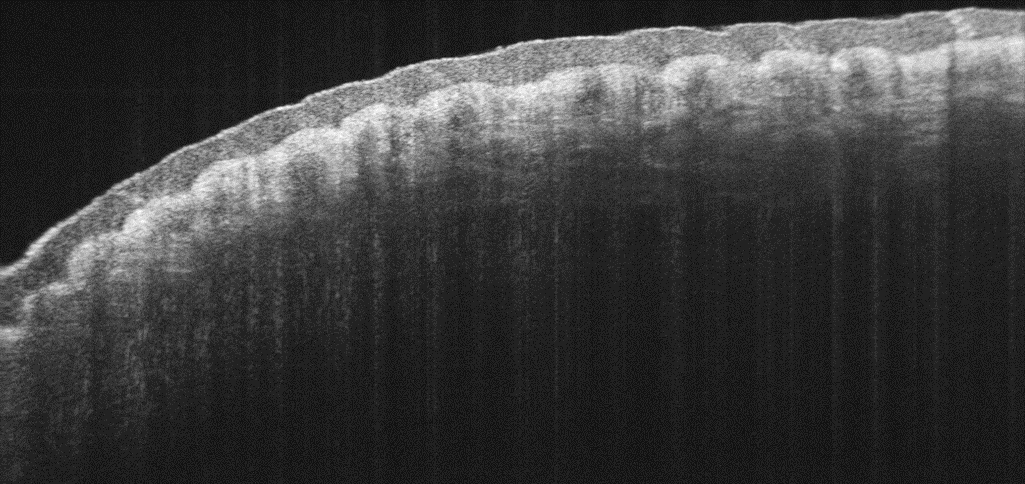
OCT image of ciliary muscle right next to the iris
Taken using a Cobra 1300 OCT spectrometer. Ciliary muscle is critical controlling accommodation of eye that helps us change the focus from near to distant objects.
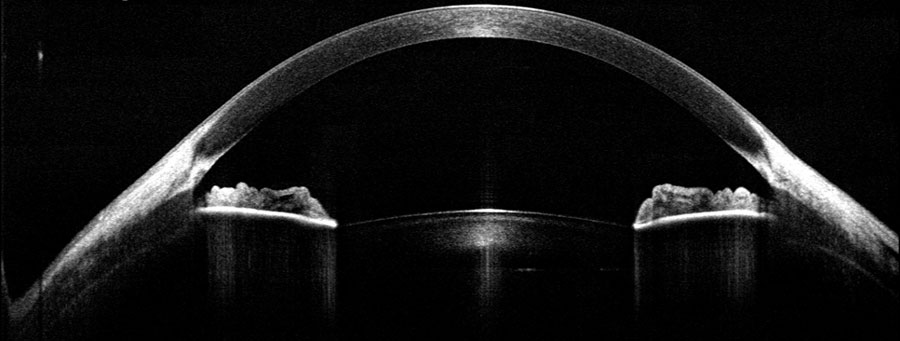
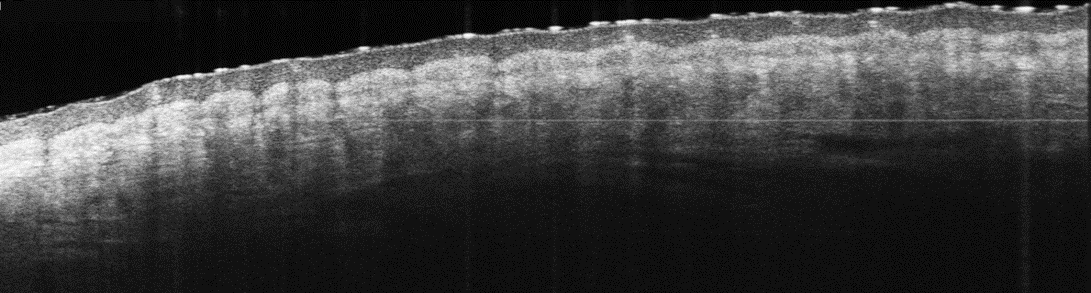
Cross-section of entire anterior chamber of human eye
The image showing cornea on the top, followed by iris and crystalline lens was acquired using an ultra-deep penetration model of the Cobra 1300 OCT spectrometer.
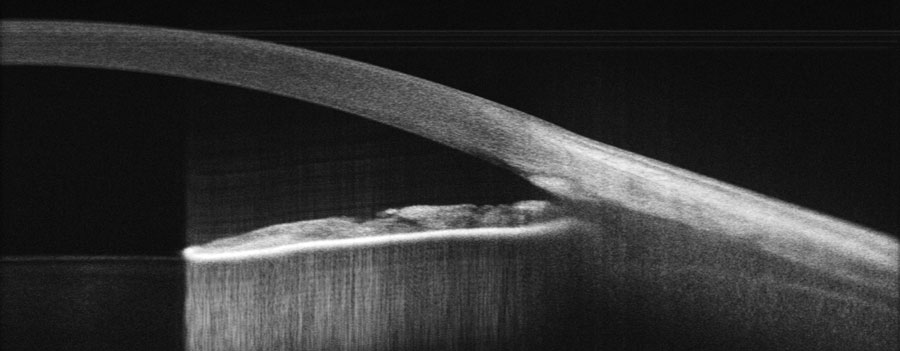
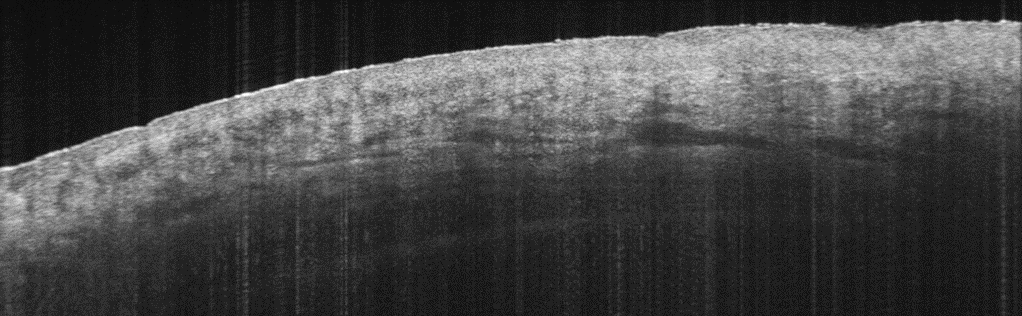
Cross-section of anterior segment of human eye showing iridocorneal angle
The angle formed between the cornea and the iris, taken using a Cobra 1300 OCT spectrometer. The structure is considered important in diagnosing eye conditions like glaucoma.
High-resolution mouse retinal image clearly showing different retinal layers
taken using a a high resolution Cobra 800 OCT spectrometer model. Mice are the most commonly studied animals in medical and scientific research, as they have a retinal structure similar to humans and can easily be genetically modified. Mice subjects are often used to study macular degeneration and other diseases, both as regards mechanism and response to pharmaceutical-based or laser treatment.
Cross-section OCT image of mouse retina showing different layers
The image was acquired using 800 nm OCT imaging.
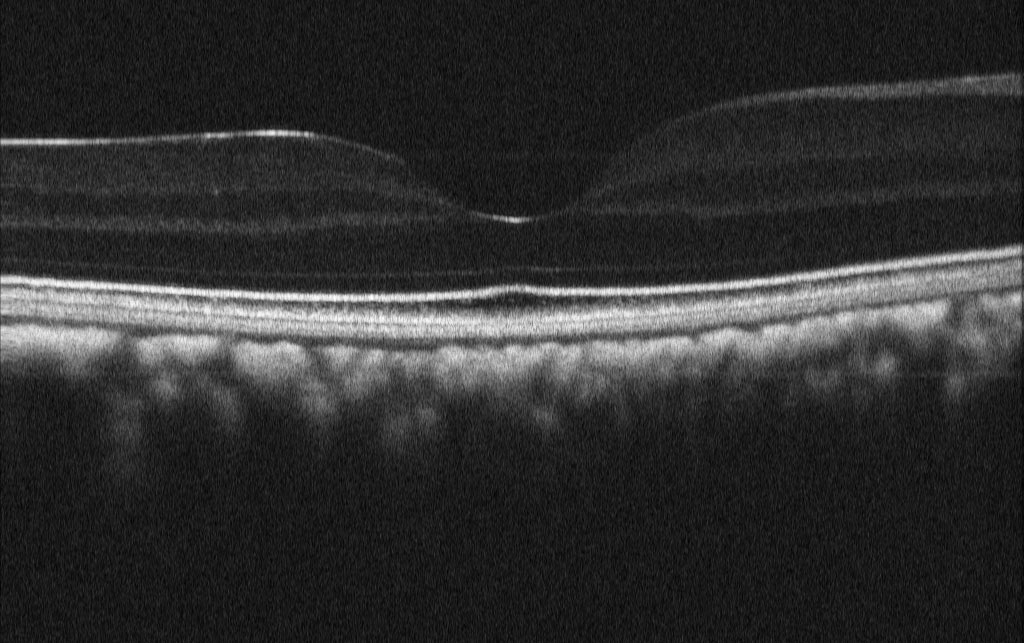
OCT cross-section image of monkey retina close to foveal region
Clearly showing different retinal layers. The image was acquired using an 800 nm system based on a Cobra 800 OCT spectrometer at standard resolution using a custom designed animal eye imaging probe.
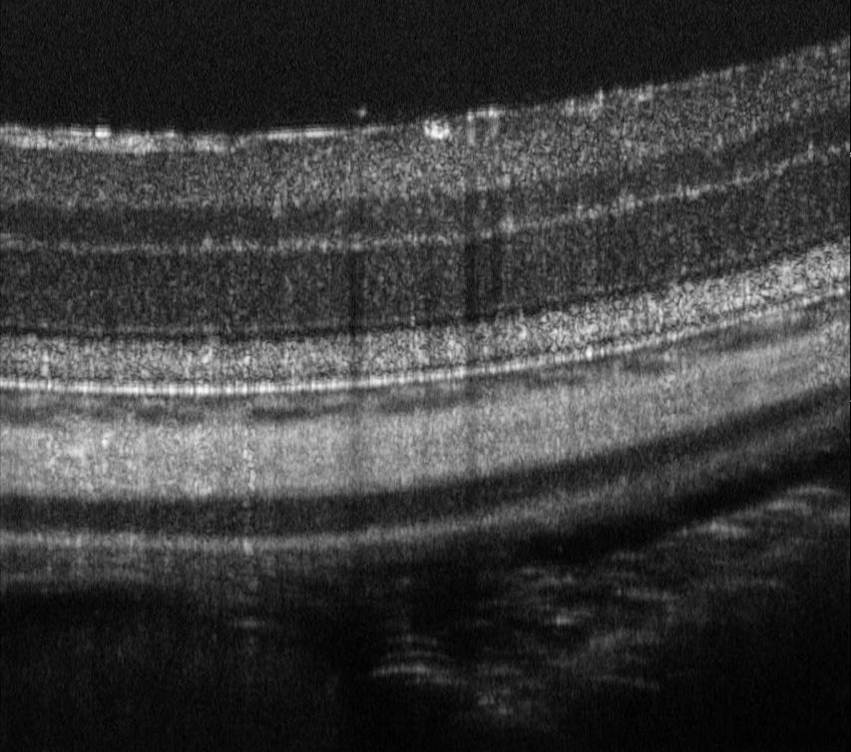
Cross-section OCT image of feline retina clearly showing different retinal layers
Starting from nerve fiber layer down to choroidal blood vessels. The image was acquired using an 800 nm system based on a Cobra 800 OCT spectrometer at standard resolution using a custom designed animal eye imaging probe.
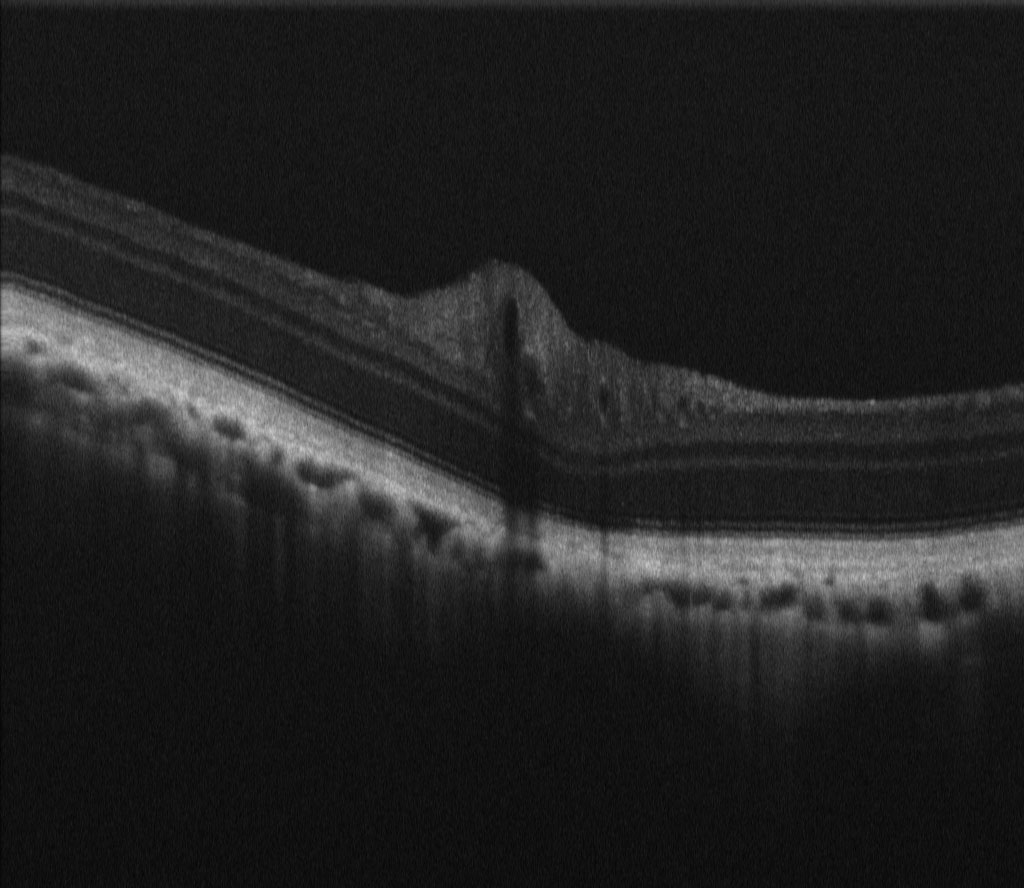
Cross-section OCT image of feline retina clearly showing different retinal layers
starting from nerve fiber layer down to choroidal blood vessels. The image was acquired using an 800 nm system based on a Cobra 800 OCT spectrometer at standard resolution using a custom designed animal eye imaging probe.
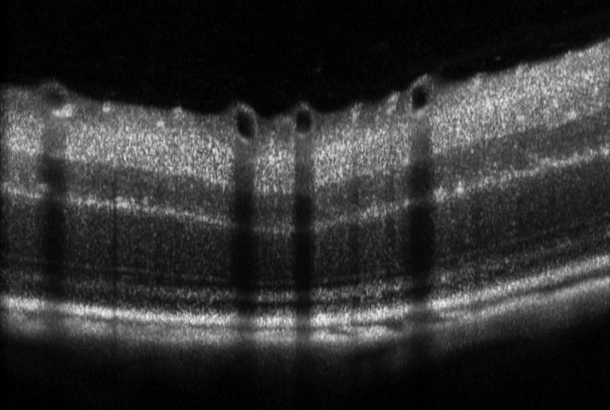
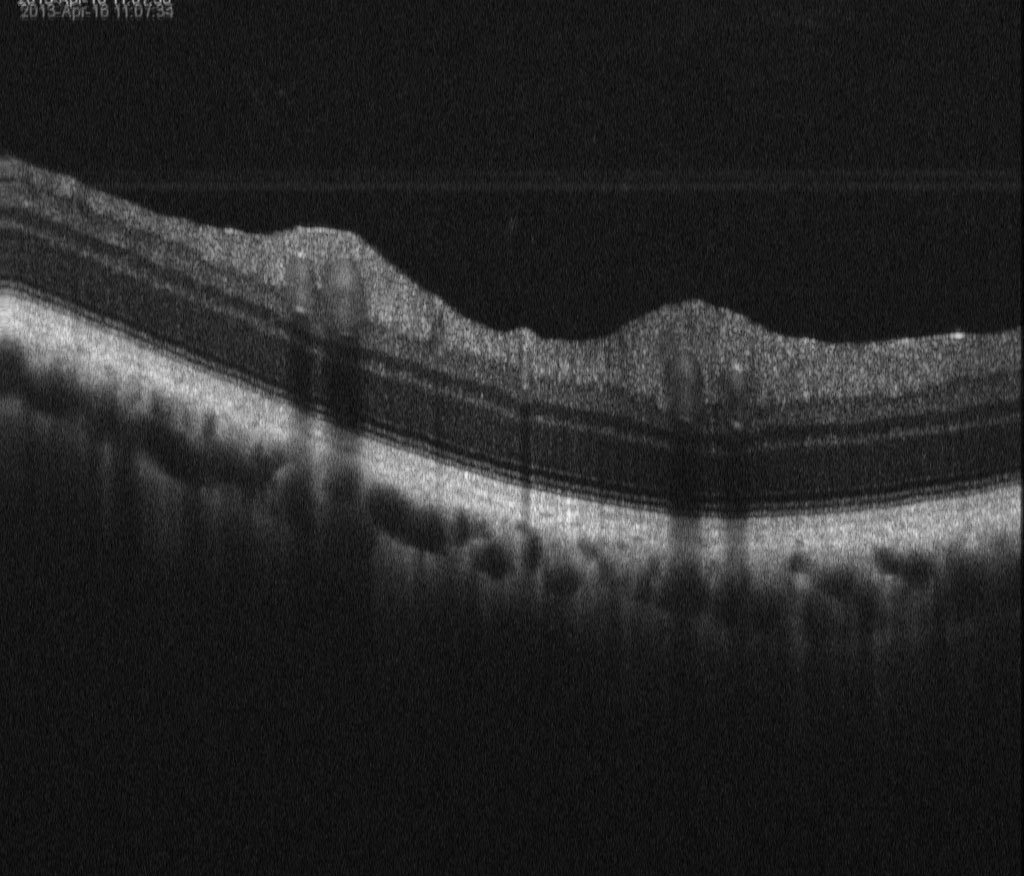
Posterior region of feline retina clearly showing different retinal layers
The high resolution of images captured with the Cobra 800 OCT spectrometer are ideal for study of retinal layers in veterinary specimens such as cats.
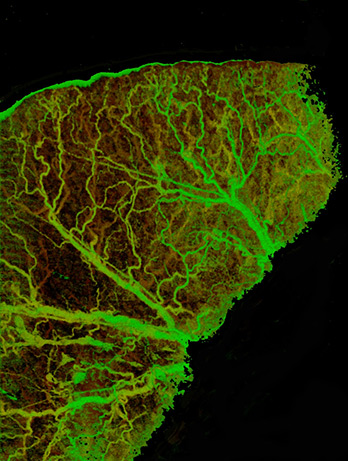
OCT angiography (OCTA) image of a diseased mouse ear
Taken with a Cobra 1300 OCT spectrometer. In this case, a tumor was implanted in the mouse ear to demonstrate the ability of OCT angiography to distinguish tumor margins. This technique is of particular interest in cancer and carcinoma treatment. It can also be applied in endocrinological diseases like diabetes, in which there is a need to study perfusion in the body.
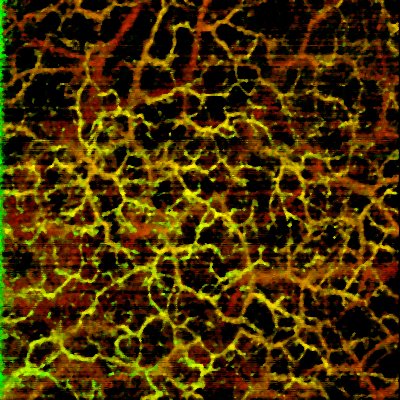
Close-range OCT angiography image of a healthy mouse ear
The high resolution and low roll-off of the Cobra-S 800 OCT spectrometer
ideal for obtaining extremely detailed OCT angiography images.
OCT angiography (OCTA) image of a full mouse ear taken with a Cobra 800 OCT spectrometer
Showing a well-defined vascular pattern. This image demonstrates the high resolution that can be achieved with OCT angiography, which translates well to imaging vasculature of the skin.
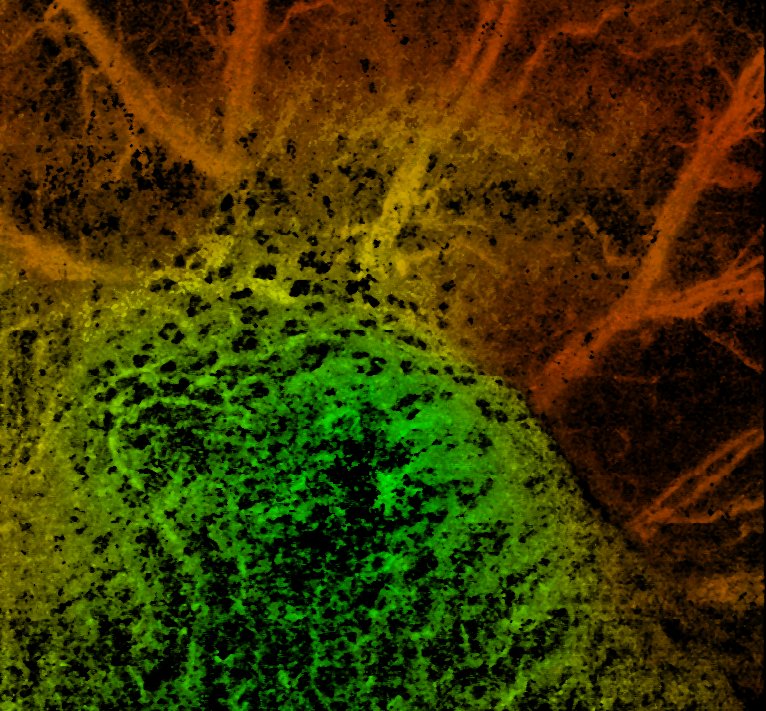
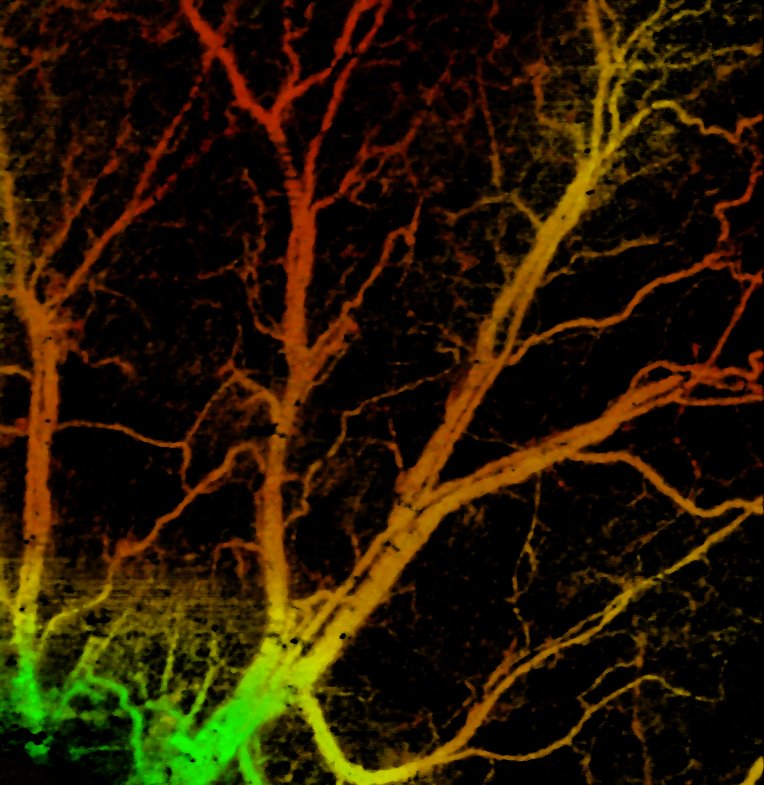
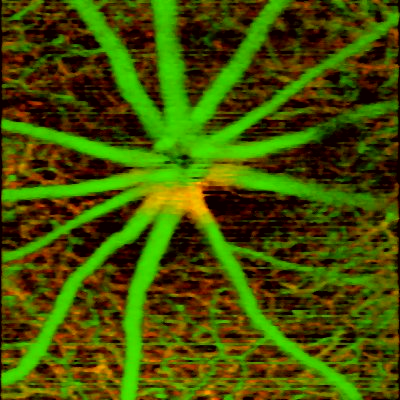
OCT angiography image of mice retina shows both large and micro-vessels at different depth locations using intrinsic contrast only
The false color in the image encodes the depth location of the blood vessels. Image taken with 800 nm system using a Cobra 800 spectrometer. The vasculature contrast was generated using OCT angiography.
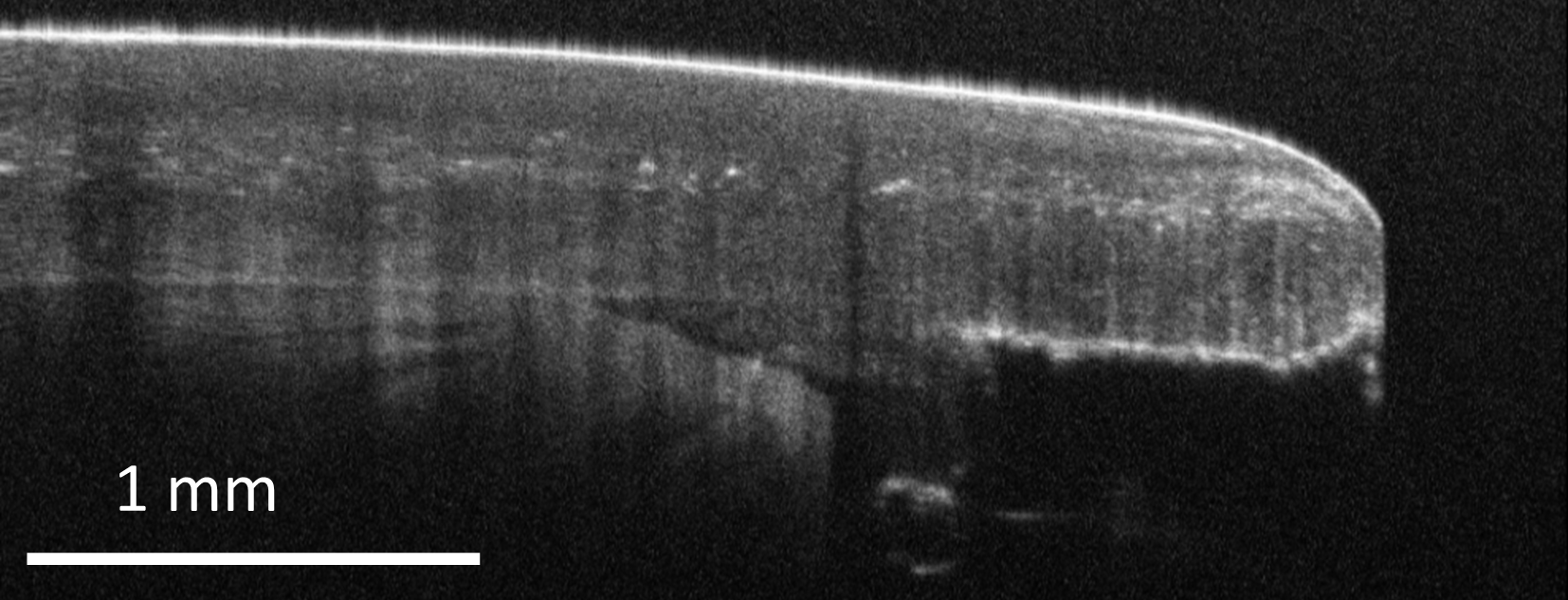
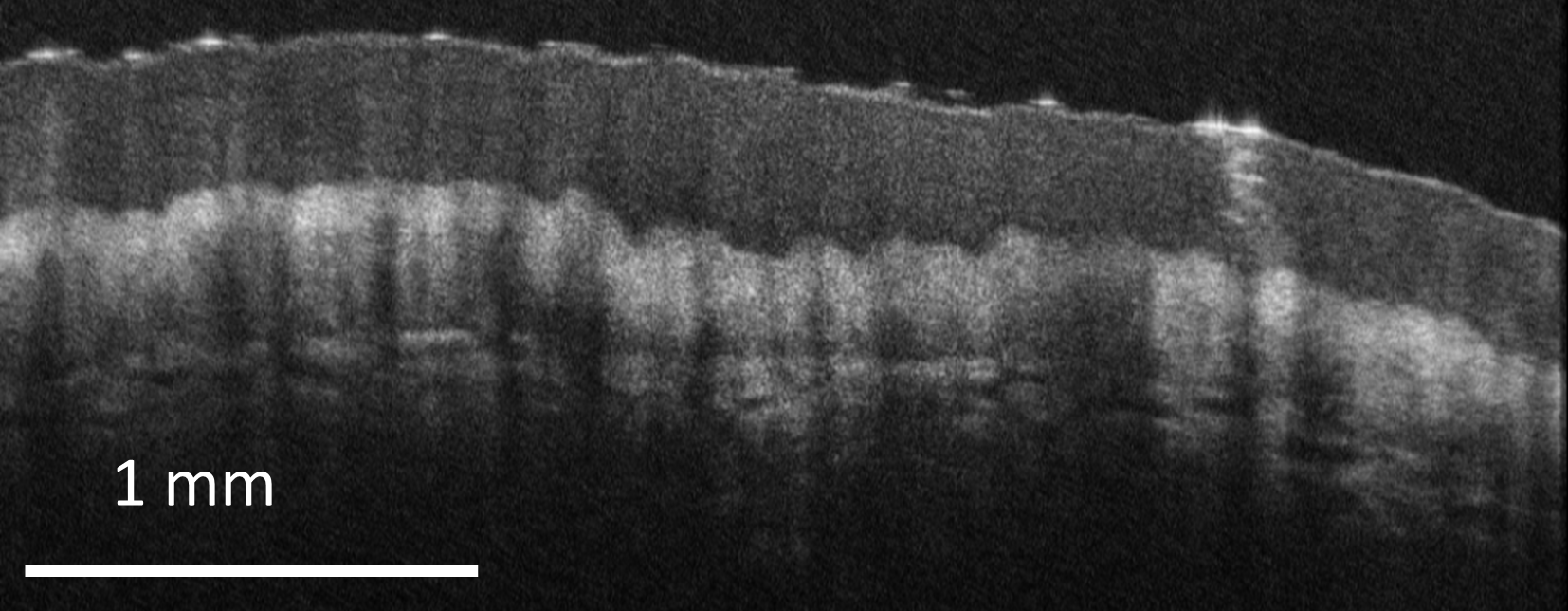
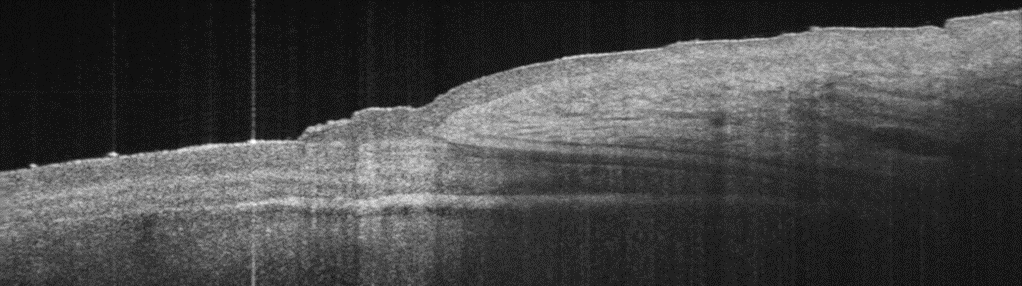
Nail fold of human finger taken using a Cobra 1300 OCT spectrometer
showing different layers of the skin and nail.
Corrective Lenses
This high-resolution image of a contact lens edge taken with a Cobra 800 OCT spectrometer shows the potential of OCT for material inspection contact lens edges are a feature of interest because comfort of a contact lens depends on how the lens contacts the cornea. No adequate non-destructive method exists for evaluation except OCT.
Medical Devices
The medical industry has been quick to adopt OCT for the analysis of high precision medical devices due to its ability to generate non-contact images of very small, thin, and delicate structures such as this contact lens. OCT can also provides information about pores, defects, and gaps in the production of critical membranes and seals.
Displays and Panels
The excellent axial resolution of OCT is ideal for imaging the multilayered structures used in display panels the 3D information acquired can be used to evaluate flatness uniformity and identify subsurface defects affecting display quality. Sublayers < 10 µm in thickness can be clearly imaged, as shown here.
Aviation and Automotive
OCT can be used to evaluate application of critical coatings and paints in industries like aviation and automotive high resolution layer imaging enables analysis of thickness uniformity and defects that can impact quality and safety, as shown in this detailed image of a multilayer paint coating.
Manufacturing
OCT is an excellent tool for evaluation of shapes and dimensions of tools, molds, and final parts as shown here for polymer-based 3D printing. It can also provide real-time process feedback for control of ablation depth during laser machining, and for defect detection and dimensional analysis in additive manufacturing.
Wide Field Imaging
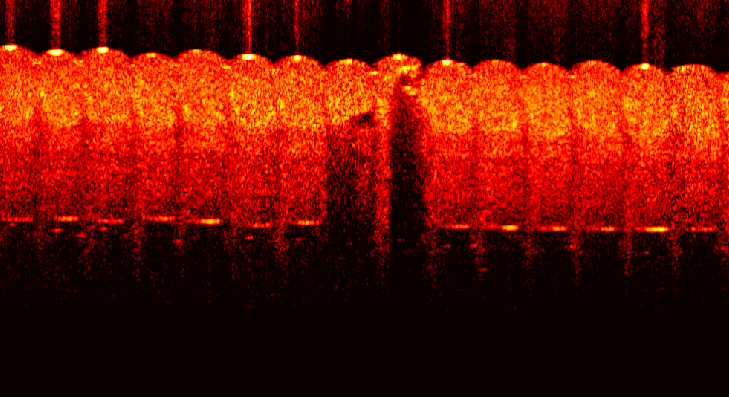
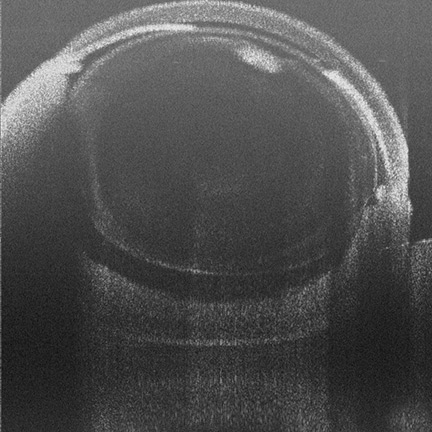
OCT can even be used to capture an image of a whole mouse eye to show different structures and total length for myopia studies, as shown here using the Cobra 1300 OCT spectrometer. This specialized application offers medical research a non-destructive method of wide field imaging.
Plant Tissues
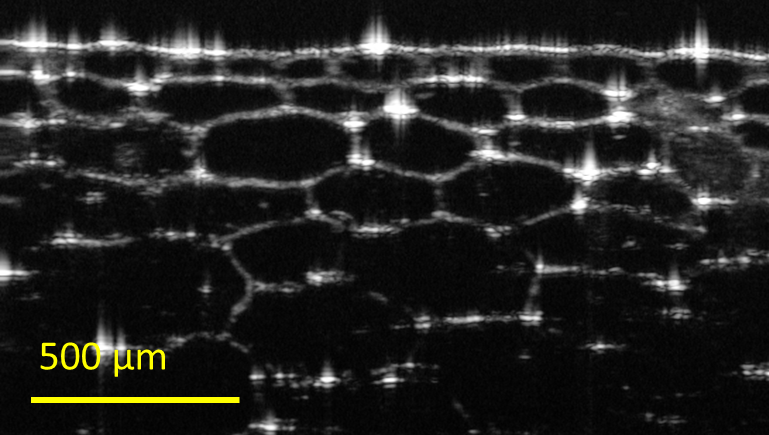
Even plant tissues can be imaged non-destructively with OCT, as shown in this cross-section of an onion skin showing cells at different depths. The image was acquired using a high-resolution Cobra 800 OCT spectrometer.
Commercial Goods
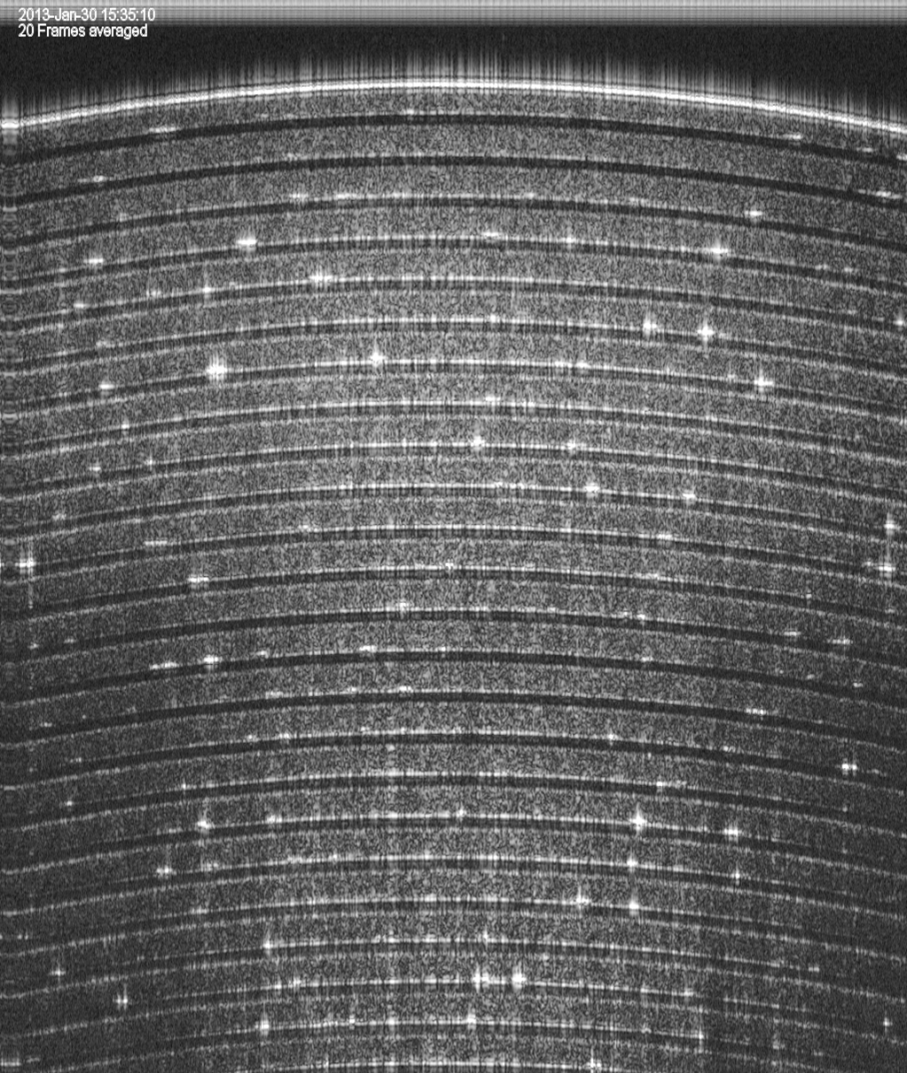
High-resolution OCT images of commercial goods can be used for quality control, as shown in this image penetrating multiple layers of standard adhesive tape. The image was acquired using a high-resolution Cobra 800 OCT spectrometer.
Currency
A wide field image of US quarter. The image shows unique capability to acquire multiple OCT sections in a single shot. The image was acquired using 840 nm OCT imaging.
Main Menu
Misty Johnson
Misty Johnson is responsible for taking care of our grating customers at the Logan, Utah, facility. She has been a member of the Wasatch Photonics team since 2009. By understanding her customers’ needs and goals, as well as the current grating market, Misty is able to provide a superior level of customer support. As Account Manager, she acts as a liaison between customers and Wasatch Photonics’ manufacturing department making sure that the lines of communication are always open.
Customer support is an integral part of Wasatch Photonics commitment to customers. Whether you are in the market to purchase a single grating, inquiring as a distributor, or purchasing large volume, Misty will guide you seamlessly through the custom design process. Misty strives to build trust and strong long term relationships with Wasatch Photonics customers. She brings 20 years’ experience as customer support manager from a number of manufacturing and service companies.